
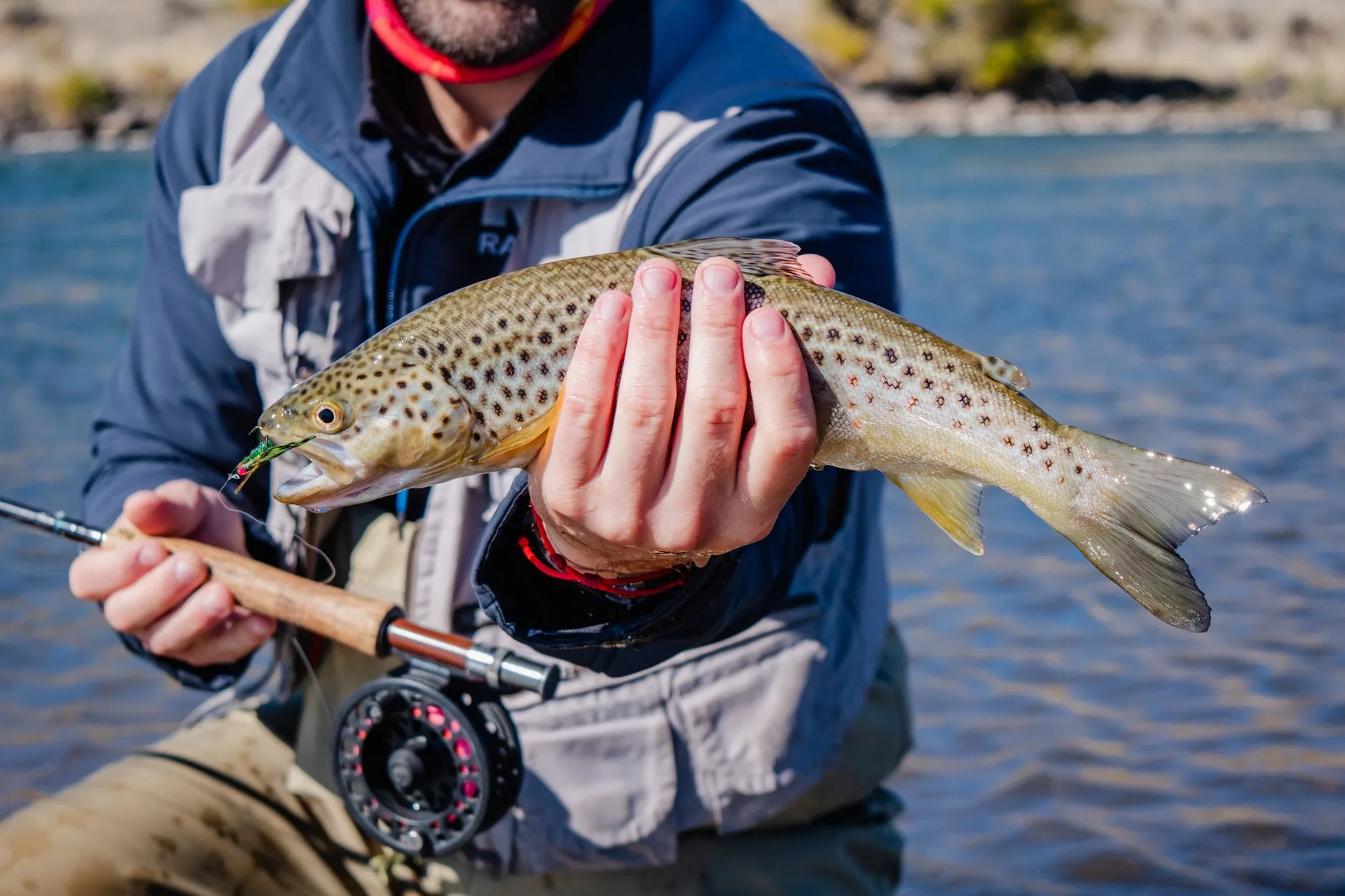
There’s a reason Montanans guard their best fishing holes like state secrets. The moment a stretch of water gets a name attached to it online, the crowds follow. So when a channel called Water Less Traveled drops a video titled “Secret Montana Brown Trout Water” — set in grizzly country, no less — you pay attention. Either they found something genuinely special, or they’re about to disappoint. Spoiler: it’s worth the watch.
What makes this video stand out isn’t just the fish — it’s the setting. Grizzly country in Montana means you’re talking about places like the Bob Marshall Wilderness, the Beartooth Front, or river drainages tucked into the Cabinet or Whitefish ranges. These aren’t waters you stumble into on a casual afternoon. You’re hauling bear spray, watching your back on every cast, and earning every single fish. Brown trout thrive in that kind of remote, cold, clear water — the kind of habitat that doesn’t get hammered by weekend crowds because most people aren’t willing to put in the miles.
Montana Fish, Wildlife & Parks manages brown trout across a wide range of drainages statewide, and regulations vary considerably by water. Some stretches are catch-and-release only, others allow harvest under slot limits, and a handful of tributaries close entirely during spawning windows in the fall. Brown trout spawn between October and December in Montana — later than most anglers expect — which means fall closures on certain waters are there for a reason. Always pull up the current FWP fishing regulations before you replicate any backcountry trip like this one. The fine print changes year to year, and ignorance isn’t a defense that holds up at the warden’s truck.
Timing, Hatches, and What’s on the Water
Late June, when this video appears to have been filmed, is a transitional sweet spot on many Montana rivers. Runoff is tapering off in most drainages, water clarity is improving, and brown trout that were pushed tight to the banks during high water start moving back into feeding lanes. At elevation, you’re likely still seeing golden stonefly activity that lower-elevation anglers missed weeks ago. PMDs and caddis start showing up in the afternoons once water temps stabilize. A size 14–16 elk hair caddis or a rubber-legged golden stone in the morning followed by a PMD comparadun in the early afternoon is a reasonable starting rig for this type of high-country water in late June. If fish are eating subsurface, a hare’s ear or pheasant tail dropper off a foam indicator will cover the bases when nothing is visibly rising.
The timing in this video isn’t accidental. Fishing remote water during peak runoff is miserable and often unproductive. Fishing it in August after a dry summer means you’re dealing with low, warm water and spooky fish. That narrow window in late June and early July — when the water drops into shape but hasn’t baked down to summer lows — is exactly when experienced backcountry anglers put in the miles.
Finding Your Own Version of This Water
The channel doesn’t drop GPS coordinates or name the creek, and that’s exactly right. But if this video has you motivated to find comparable water, here’s where to start. The USDA Forest Service Region 1 office covers most of northern Montana’s wilderness drainages and publishes motor vehicle use maps that show road and trail access into remote creek systems. Cross-reference those with FWP’s fishing access site database and you’ll start to see patterns — drainages with limited road access, significant elevation, and cold north-facing aspects are exactly where this kind of fishery tends to live. The FWP Block Management program also opens up private land access on foot in many areas that would otherwise be locked out, including corridors that lead to public water upstream.
Bear Safety Isn’t Optional Out Here
If you’re fishing the drainages this video suggests — and you should be — treat bear awareness as seriously as your rod selection. Carry bear spray on your hip, not buried in your pack. Fish with noise when you’re moving through brush, especially near berry patches or along spawning tributaries in fall. If you’re camping overnight, hang your food and keep your cooking area well away from your sleeping area. The general protocols for bear country travel apply in full here. Grizzly encounters during fly fishing are relatively rare, but they happen — and in dense riparian cover along a noisy creek, a bear may not know you’re there until you’re close. Make noise, carry spray, fish smart.
What This Video Actually Represents
The broader appeal of a channel like Water Less Traveled is what it represents: Montana still has water that doesn’t show up on top-ten lists, doesn’t have a parking lot full of drift boats at 7 a.m., and rewards the anglers willing to do their homework and put in the boot leather. Watch this video for the inspiration and the craft. Then go do your own research, pull your own maps, and find your own version of it. That’s how this is supposed to work — and that’s what keeps water like this worth protecting.
Montana's outdoor week, in your inbox at 7am Friday.