
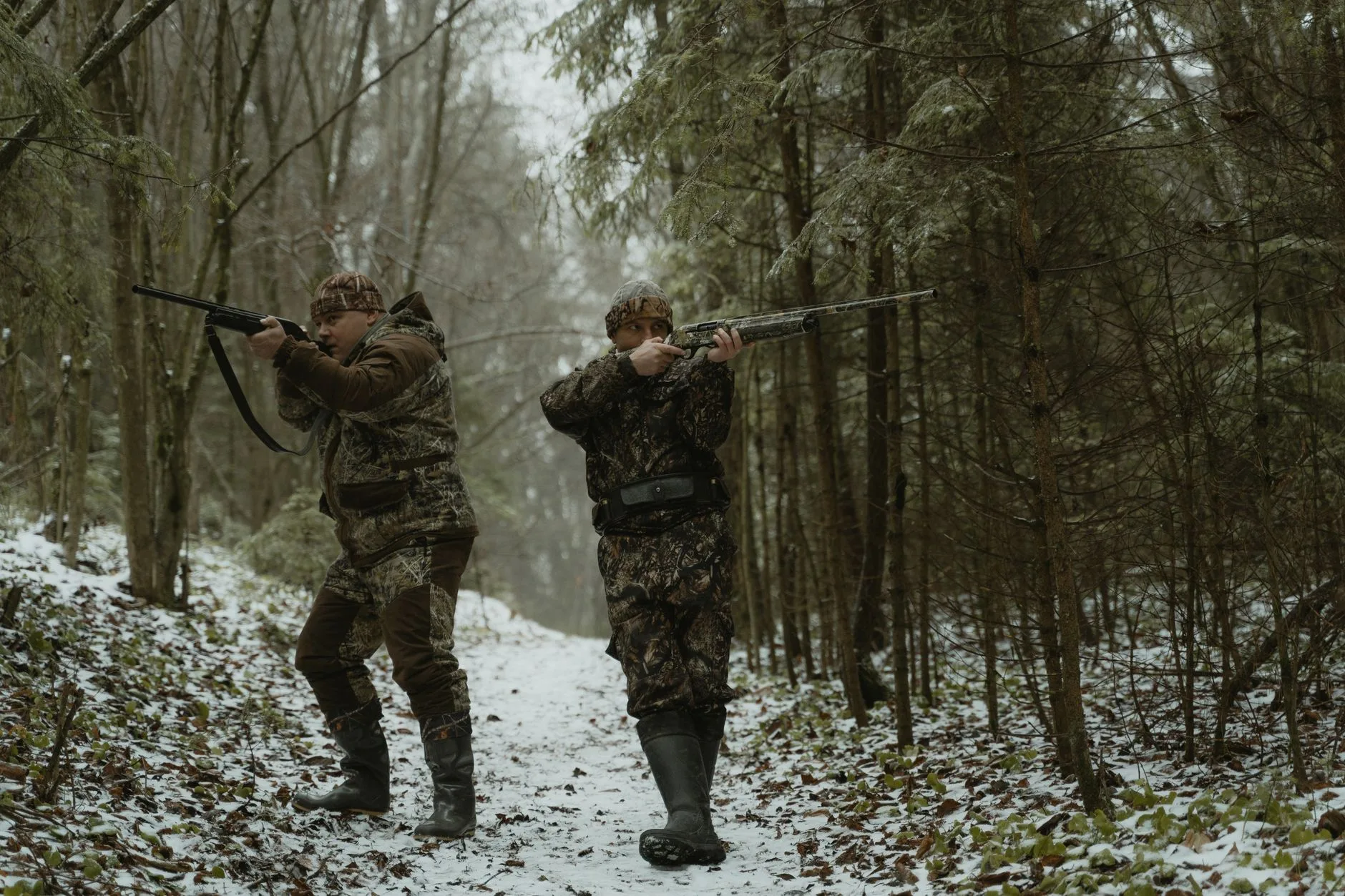
Two thousand, two hundred hunters. Six check stations. Two days. That’s what FWP had to work with after opening weekend in southwestern Montana, and the numbers they pulled from Alder, Cameron, Divide, Gallatin Canyon, Silver City, and Toston tell a story worth paying attention to before you load up for your next trip.
Over October 24 and 25, those 2,200 hunters checked in 146 elk, 41 mule deer, and 18 whitetails. Success rates swung from 6 percent in the Gallatin to 14 percent at Alder. That’s not a small gap — it reflects genuinely different conditions, pressure levels, and animal distribution across a region that covers a lot of very different country.
Where the Hunters Showed Up—And Where They Didn’t
Divide pulled 414 hunters through its station, the second-highest opening weekend count ever recorded there. Cameron ran above average too. Meanwhile, Alder and Gallatin Canyon were quieter than usual, Silver City held near typical numbers, and Toston brought up the rear at 161 hunters checked.
Why the spread? Probably some mix of snow timing, road conditions, and the kind of last-minute intel that circulates in every hunting camp the night before opener. Friday’s fresh snow helped hunters read sign and pattern animals — but it also shut down certain roads and funneled people toward wherever they could still get a truck in.
Those Divide numbers stand out to anyone who’s hunted that country over the last several years. It’s been drawing more attention, and this opening weekend confirms it’s become a legitimate go-to for hunters who want elk opportunity without burning a full day on approach. Whether that pressure holds or scatters as November grinds on is something to watch closely.
Success Rates Tell a Fragmented Story
Alder, Cameron, Gallatin, and Silver City all came in at or above their average opening weekend success. Divide didn’t. Despite pulling the second-highest hunter count on record, success there came in below average — which tells you something. Either the pressure pushed elk out of that drainage fast, or the country got hunted hard enough in the first few hours that animals simply went quiet and went deep.
Honestly, 6 to 14 percent is about what you’d expect across opening weekend in this part of the state. Elk don’t cooperate just because you’ve been scouting since August. But that range is consistent with prior years, and it’s a good reminder that the hunters who fill tags in Montana are usually the ones still grinding in mid-November — not the ones who needed it to happen by noon on Saturday.
Bear Activity Remains High—Stay Sharp
Multiple hunters reported fresh bear sign over the weekend. Both black bears and grizzlies. With temperatures staying mild and food still available up high, bears aren’t denning yet — not even close.
Carry bear spray. Every time, no excuses. Hang your meat away from your camp, stay loud in thick timber and tight drainages, and don’t let the focus of a successful kill make you sloppy. The window between pulling the trigger and getting that elk on the truck is exactly when people get into trouble. Stay bear-aware through the whole process, not just the walk in.
What This Means for the Weeks Ahead
Check station data is useful beyond the headline numbers. Below-average turnout at places like Alder, Toston, and Gallatin Canyon suggests there’s opportunity left for hunters who didn’t punch their tag opening weekend. Lower pressure often means less pressured animals — elk that haven’t been bumped three times in two days and gone nocturnal as a result.
Weather is going to drive everything from here. Another snow event in early November — the kind that hits the Gravellys or the Pioneers overnight and stacks a foot by morning — and you’ll see a second surge of activity as animals move and hunters chase tracking conditions. If it stays dry and mild, success rates may flatten out as elk lock into patterns and learn to avoid the obvious pressure zones.
Areas like Divide may keep seeing heavy boots on the ground, which historically pushes elk onto private land or into terrain that demands a lot more from a hunter. If you’ve got the legs and the time, that’s actually where opportunity opens up. In my experience, the mid-season hunters who go where it’s inconvenient — the extra canyon, the longer pack, the access that requires a call to a landowner — are the ones who come out with meat.
Read the Signs, Not the Crowd
Opening weekend is never the whole picture. It’s the first two days of a six-week conversation between hunters, animals, weather, and country that doesn’t care about your schedule or your expectations. This season looks competitive in some drainages and genuinely wide open in others. The data from those six check stations won’t tell you exactly where to go — but it’ll tell you where everyone else already went.
Stay flexible. Stay bear-aware. Hunt where the pressure isn’t.
Source inspiration: The Outdoor Wire
Montana's outdoor week, in your inbox at 7am Friday.