
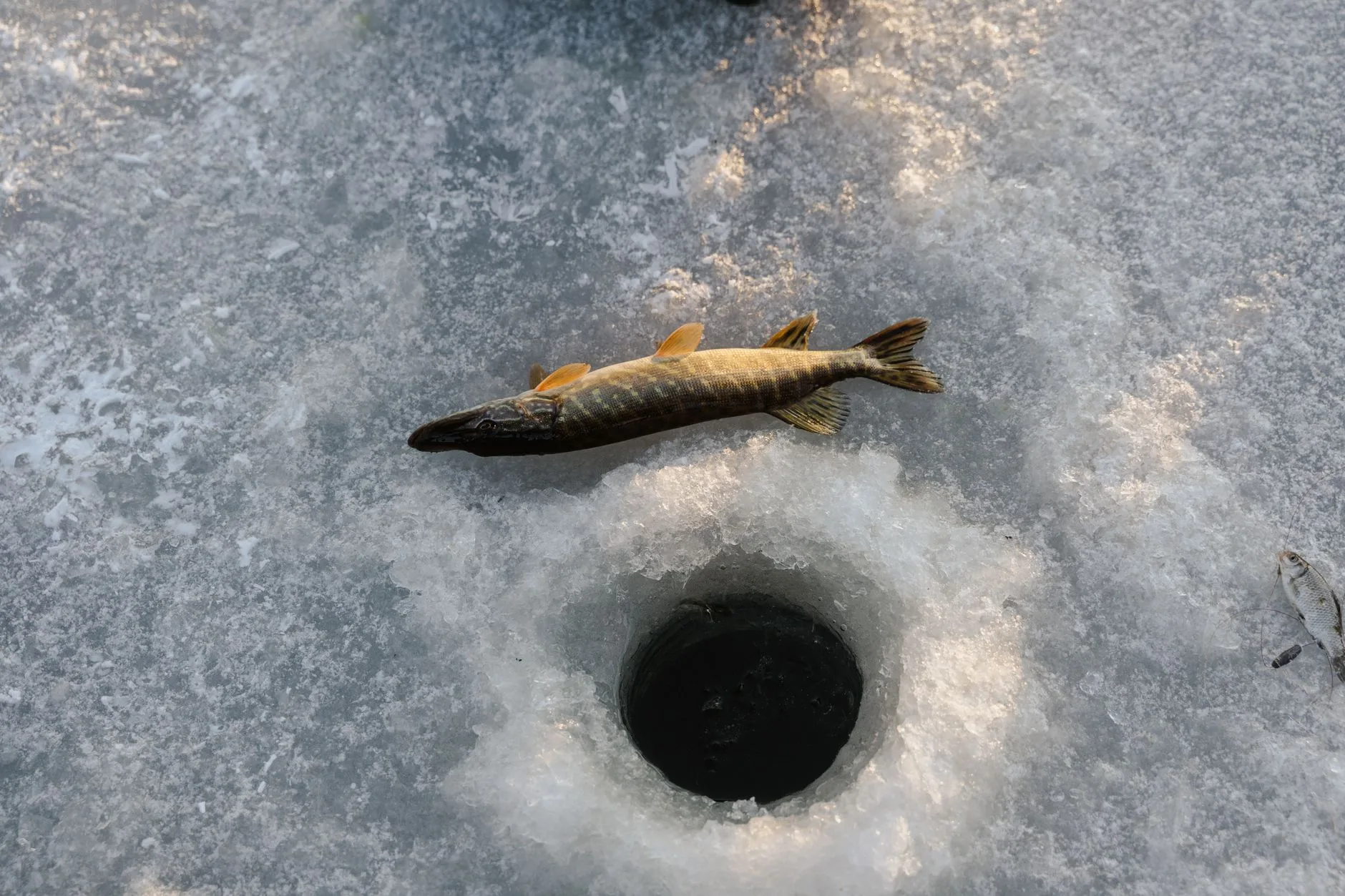
Ice is coming. Maybe this week, maybe next — but on eastern Montana’s big reservoirs, late October doesn’t negotiate. Fort Peck, Tiber, Fresno: water temps are dropping fast, walleye are making their last big moves of the open-water season, and if you haven’t made your final run of the year, the window is closing right now. Once these reservoirs lock up, that’s it until spring.
This isn’t bad news. Honestly, the fall cold-water transition is one of the most productive walleye windows of the entire year — if you know where to look and what to throw. But it demands a different approach than July trolling. Here’s what’s working right now.
Where the Fish Are Staging
As water temps slide through late October, walleye on eastern Montana reservoirs make a predictable push. They abandon mid-reservoir summer structure and begin stacking near creek arm mouths, transition zones where hard bottom meets soft, and the shallower flats adjacent to the main river channel. On Fort Peck, that Missouri River channel cutting through the reservoir floor is a year-round fish highway — and right now it matters more than ever.
On Fort Peck, put your attention on the Hell Creek arm and the Pines area near the western end. The Dry Arm and Rock Creek Bay are also worth a serious look this time of year. Walleye are schooling tighter than they’ve been all summer, and when you find them, you can have exceptional action in a short window.
On Tiber Reservoir north of Chester, the Marias River channel running through the reservoir is the backbone of fall staging activity. Work the edges of that channel, particularly where it bends near the dam end. Fresno Reservoir near Havre is smaller and shallower — it can freeze sooner than the others. Don’t sleep on it this week, but have a backup plan.
Rigs That Work in Cold Water
Cold water slows a walleye’s metabolism, and your presentation needs to match that. Speed kills — or rather, too much speed kills. This is the time to slow down and fish deliberately.
- Jig and plastic: A quarter- or three-eighths-ounce leadhead tipped with a paddle-tail swimbait in white, chartreuse, or a natural shiner pattern is a cold-water workhorse. Keep your retrieve painfully slow and pause often. The strike usually comes on the pause.
- Live bait rigs: A plain hook on a slip-sinker rig with a fathead or sucker minnow is hard to beat once the water gets cold. Let the fish hold the bait before you set — they’re not chasing hard this time of year.
If you can mark fish on sonar in deeper water, a heavy jigging spoon worked vertically can trigger reaction strikes from walleye that won’t commit to a horizontal presentation. Don’t overlook blade baits either — they’re an underrated late-season option. Worked with a lift-drop cadence near bottom, a vibrating blade can be deadly on cold-water walleye, particularly in the channel areas of Fort Peck.
Color matters less than depth and speed in cold water, but bright chartreuse and white are reliable starting points. When the bite gets stubborn, downsize your profile and go natural.
Don’t Overlook the Pike
Northern pike on these reservoirs stay aggressive right up until ice forms — arguably more aggressive than walleye this time of year. Big pike move shallow in fall, hunting the last available baitfish near weed edges and rocky points. Fort Peck holds some legitimate trophy fish, and late October is prime time to run into something worth mounting.
For pike, go with large-profile baits — five-inch or longer swimbaits, spinnerbaits, or big glide baits worked along any remaining green vegetation near reservoir points. Use a steel or heavy fluorocarbon leader. You will get bit off without one. If you’re specifically after a wall-hanger, slow down and work every piece of cover thoroughly rather than burning water looking for active fish.
Access Points to Prioritize This Week
On Fort Peck, the Rock Creek Recreation Area and Hell Creek State Park boat launch offer reliable access to productive water. The Fort Peck Dam area and the Downstream Recreation Area put you closer to the dam end if you want to target the tailwater.
For Tiber, the Tiber Dam Recreation Area off Highway 223 south of Chester is your primary launch. Fresno is accessed via the Fresno Dam boat ramp west of Havre off US-2.
Check road conditions before you load the trailer. Late October in north-central and northeast Montana means snow is possible, launch ramps can be iced over, and two-tracks that were fine in September may not be passable now. Call ahead or check locally — a truck and trailer buried in mud two miles from the water is a lousy way to end your season.
Regulations and Season Notes
Walleye and pike regulations on Montana’s eastern reservoirs vary by water body and change. Always confirm current seasons, slot limits, and possession rules directly with Montana Fish, Wildlife & Parks before you go. The FWP website and the Northeast Region office in Glasgow are your best resources. Don’t assume last year’s rules still apply.
Dress for the conditions, not the forecast. Morning air temps on Fort Peck in late October can be well below freezing before the sun gets up, and wind on these big open reservoirs is no joke. In my experience, anglers who underestimate these reservoirs in fall don’t make that mistake twice. A float coat isn’t optional — it’s the minimum.
Get out there this week. The forecast and the calendar are both working against you, and neither one is bluffing.
Montana's outdoor week, in your inbox at 7am Friday.