
The cottonwoods on the Hi-Line dropped their last leaves two weeks ago. That’s your sign. When the wind starts hauling out of Canada and overnight temps stack up below freezing back-to-back on the forecast, the window for open-water walleye on Fort Peck and Tiber isn’t weeks away — it’s days. This is the trip you’ve been putting off, and this is the weekend it either happens or gets shelved until April.
We’re not being dramatic about that timeline. Tiber’s shallow bays can skin over in a matter of nights once temps drop and the wind settles. Fort Peck, being the massive beast that it is, holds open longer — but fishable access with reliable launches gets complicated fast once ice starts pushing into coves and the Corps roads turn to two-track gumbo. The window is real, and it’s closing hard.
Where the Fish Are Right Now
Both walleye and northern pike are doing something predictable right now: they’re moving. Cold water pushes baitfish — perch, smelt, and shad mostly — and the predators follow. On Fort Peck, fish are staging on transition structure between the deep main-lake basin and mid-depth flats. Points that drop from eight or twelve feet down into twenty or more are worth your first prospecting hours.
On the Missouri arm, the water accessible from the Wiota and Hell Creek areas has historically held late-season walleye in reliable numbers. The Rock Creek and Devil’s Creek areas on the south side are worth the drive if you haven’t already hammered them earlier in the season. They’re not secrets — but boat traffic in late October falls off a cliff, and fish that spent all summer getting pressured tend to resettle on their preferred structure without much disturbance. That’s your edge.
Tiber near Chester is a different animal altogether. Shallower, more windswept, and heavily pike-oriented — but walleye are in there, and they stack hard in the deeper cuts of the Marias River channel as water temps fall. Honestly, late-October pike at Tiber might be the most underrated fishing in north-central Montana. They’re in prime condition, feeding aggressively before hard freeze, and they’re not subtle. Weighted jerkbaits and large paddle-tail swimbaits worked slowly along weed edges that haven’t fully died back can produce explosive strikes in water that feels too cold to be worth fishing. Don’t let the thermometer fool you — pike flat-out thrive in these conditions.
Cold-Water Tactics That Actually Work
Slow down. That’s the single adjustment most anglers fail to make in late-season cold water, and it costs them fish every time. Walleye metabolism slows, and they’re not willing to chase. A jig you’d hop and swim in August needs to be crawled and paused in late October. Let it sit. Count to five. Move it a foot. Count again. It feels wrong until it starts working.
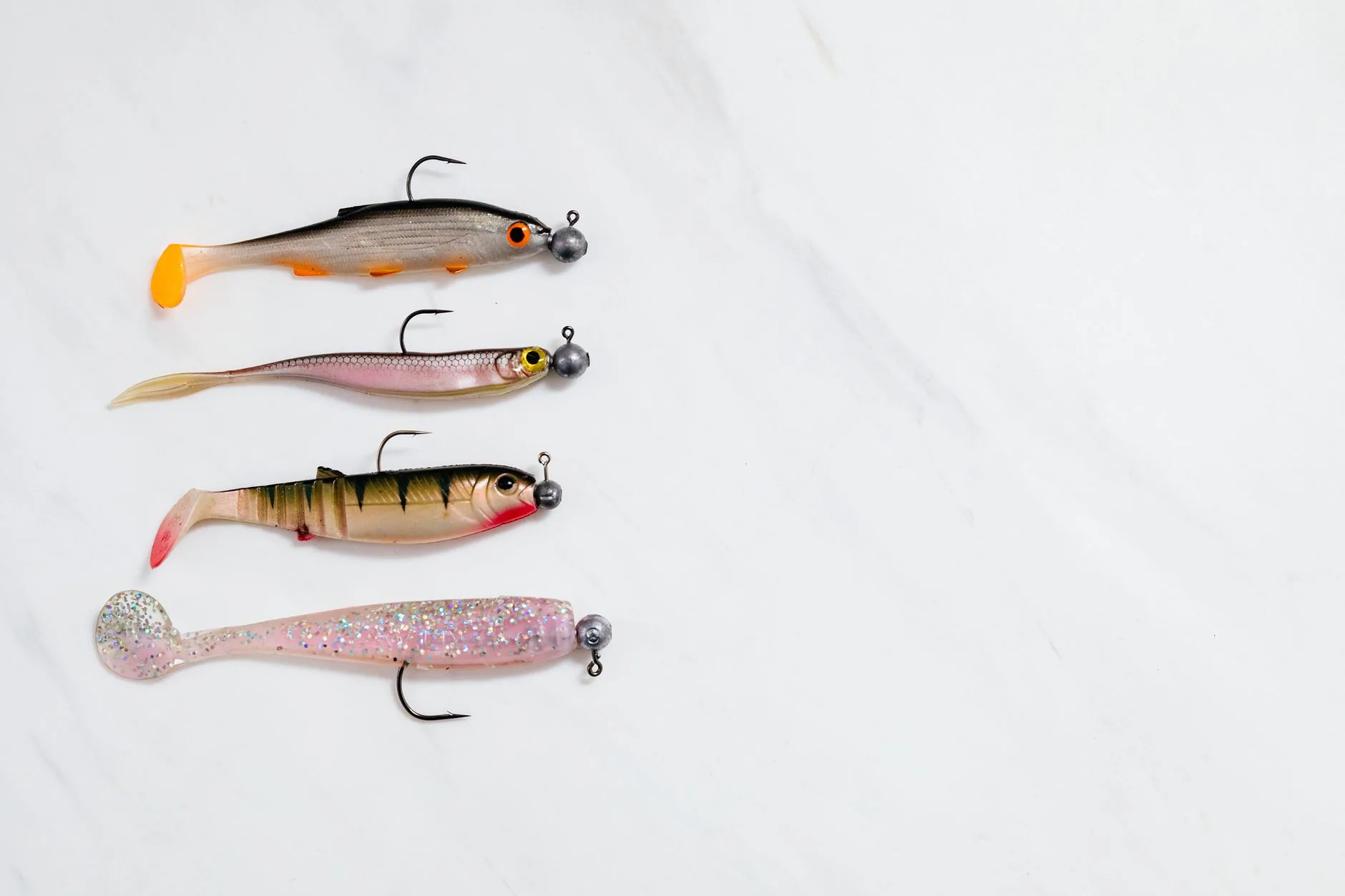
For jig weight, go heavier than feels intuitive — a three-eighths to half-ounce head in chartreuse or orange, tipped with a soft-plastic minnow imitation or a live shiner if you’ve planned ahead, gets down and stays in the zone through wind and chop. Blade baits like the Swedish Pimple or a heavy vibrating blade are exceptional fished vertically off the bottom: drop to bottom, lift a foot, let it flutter back, repeat. Strikes come on the fall more often than not.
If the wind cooperates enough to control a drift, a live or cut minnow on a slow-death hook trailing a bottom bouncer is a proven closer. Cover water until you mark fish on the sonar, then anchor and work the spot methodically. For pike, run a wire leader or heavy fluorocarbon — non-negotiable. Late-season Tiber pike are not leader-shy. They’re hungry. Large spoons, swimbaits, and big soft-plastics on half-ounce jig heads all produce. Fish them slow and near bottom.
Access Points to Know Before You Go
Fort Peck has multiple developed access points managed by the Army Corps of Engineers and Montana FWP. The Fort Peck town ramp near the dam is typically reliable late into the season. Hell Creek State Park, about twenty-six miles north of Jordan, offers a maintained ramp on the north arm and is worth checking if you’re working that side of the reservoir. Call ahead or check road conditions before you commit — gumbo mud roads in this country can shut down access overnight after rain or snow, and there’s nothing worse than trailering three hours to find an impassable two-track.
For Tiber, the Tiber Dam Recreation Area near Chester is your primary access point. The ramp there is functional well into late season, though shallow water near the launch can get tricky in low-water years. Check current conditions before you haul out from Great Falls or Havre — it’s worth a quick call.
A Few Things to Confirm Before You Go
Pull up the current Montana FWP regulations before this trip — don’t rely on last year’s rulebook. Possession limits, size restrictions, and slot regulations on these reservoirs can and do change. Walleye regs across eastern Montana waters have seen updates in recent seasons, and the FWP website and the Montana Fishing Regulations booklet are the only sources worth trusting.
Dress for winter, not fall. Hypothermia risk on open water in late October is no joke. Wind chill on a big reservoir can drop apparent temps well below what the thermometer reads onshore. A float coat, dry clothes in a dry bag, and someone who knows your float plan aren’t optional extras this time of year — they’re the difference between a story you tell at the Range Riders Bar in Jordan and one you don’t get to tell at all.
The walleye aren’t going anywhere for the next few days. Neither is that hard freeze. Get out there, go prepared, and make it count.
Montana's outdoor week, in your inbox at 7am Friday.