
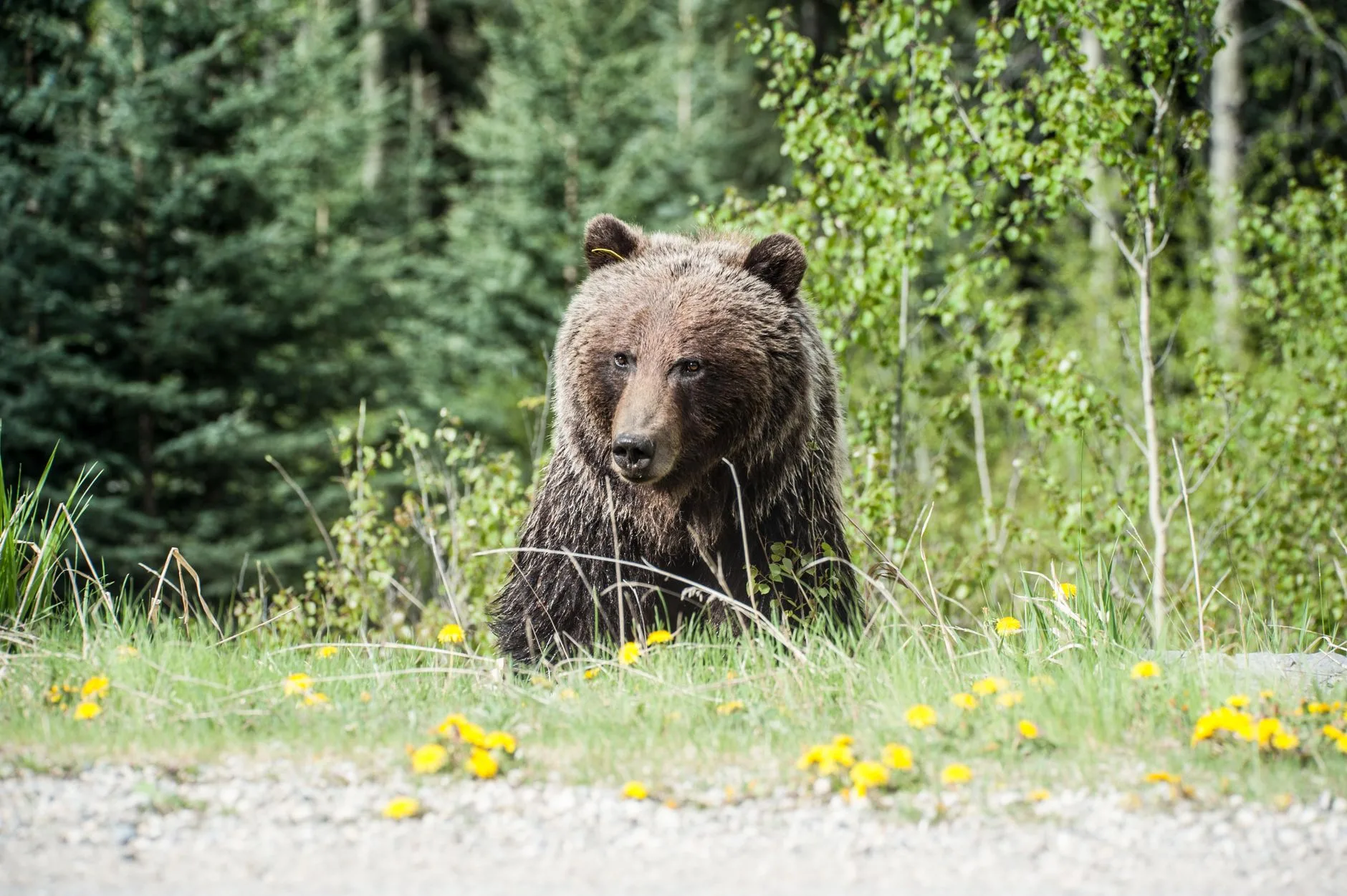
Three years running, the Greater Yellowstone Ecosystem has set a modern record for grizzly deaths. And 2026 isn’t finished. With weeks to go before many bears head for their dens, this year has already blown past the marks set in 2024 and 2025, according to the report that sparked this piece.
If you hunt, fish, or ranch in southwest Montana, that’s no abstract wildlife statistic. It tells you what’s happening on the ground where we live and play.
Why Fall Matters Most
Late fall is hyperphagia, the stretch when grizzlies eat nearly nonstop to pack on fat for winter. That hunger pulls bears toward the same ground hunters are working: elk drainages, aspen draws, creek bottoms, and the edges of private land where gut piles and carcasses are easy pickings. It’s also when bears and hunters end up nose to nose, usually in thick cover and bad light.
The source report doesn’t break down the cause of every death in this year’s tally, and I won’t guess at the mix. What’s well understood across Montana bear country is that conflicts cluster around a few situations: food and carcass attractants, livestock, and surprise encounters. We can influence every one of those.
What You Can Control in the Field
If you’re hunting grizzly country this fall, the basics matter more than ever:
- Carry bear spray and know how to use it. Keep it on your belt or chest harness, not buried in your pack. A can you can’t reach in two seconds is just dead weight.
- Hunt with a partner when you can, and make your presence known when moving through thick timber or brush where you can’t see far.
- Handle harvested game with bears in mind. Field-dress quickly, get the meat away from the carcass as soon as you can, and don’t sleep or camp near a kill. Hang or otherwise secure meat well away from camp.
- Approach a downed animal carefully. A bear may have found it first, or may show up at the sound of the shot. Pause, glass it, and make noise before you walk in.
- Keep a clean camp. Store food, garbage, and cooking gear in bear-resistant containers or otherwise secured, and don’t cook where you sleep.
- Be sure of your target. Black bears and grizzlies share habitat across much of western Montana, and misidentification is a serious problem that’s entirely avoidable. Study the differences now, not when you’re looking at a bear at 60 yards at last light.
Rules on bear spray, food storage, and hunting in occupied grizzly range vary by area and can change, so check current Montana FWP regulations and any local guidance before you head out.
What It Means for Ranchers and Landowners
Ranchers in the Paradise Valley, the Madison, and the Gallatin live with this daily. Electric fencing around calving areas, bone yards, and beehives works, and so does hauling dead stock off fast. Both are widely used to cut down on conflicts. Montana FWP and its conflict specialists are the right call if you’re seeing repeated bear activity around your place. Honestly, call early. Calling after you’ve lost a calf is calling late.
The Bigger Picture
Three straight record years is a pattern, not a blip. A recovering population spreading into more of its range, more people in the backcountry, and more overlap between bears and human activity all play into it. The source material doesn’t pin the trend on any single factor, and neither should we. The fight over grizzly management, including their legal status, gets heated among Montanans, and reasonable people land in different places on it.
Here’s the part nobody can argue with. Every one of us who steps into this country in the fall is sharing it with bears that are hungry, active, and often unseen. Whether you’re packing out an elk quarter, fishing a river bottom at dawn, or moving cattle, the habits that keep you safe are the same ones that keep a bear from becoming another number in next year’s report.
Know the country. Carry the spray. Keep a clean camp. And don’t hunt on autopilot, because in grizzly range, that’s just good sense.
Source inspiration: East Idaho News
Montana's outdoor week, in your inbox at 7am Friday.