
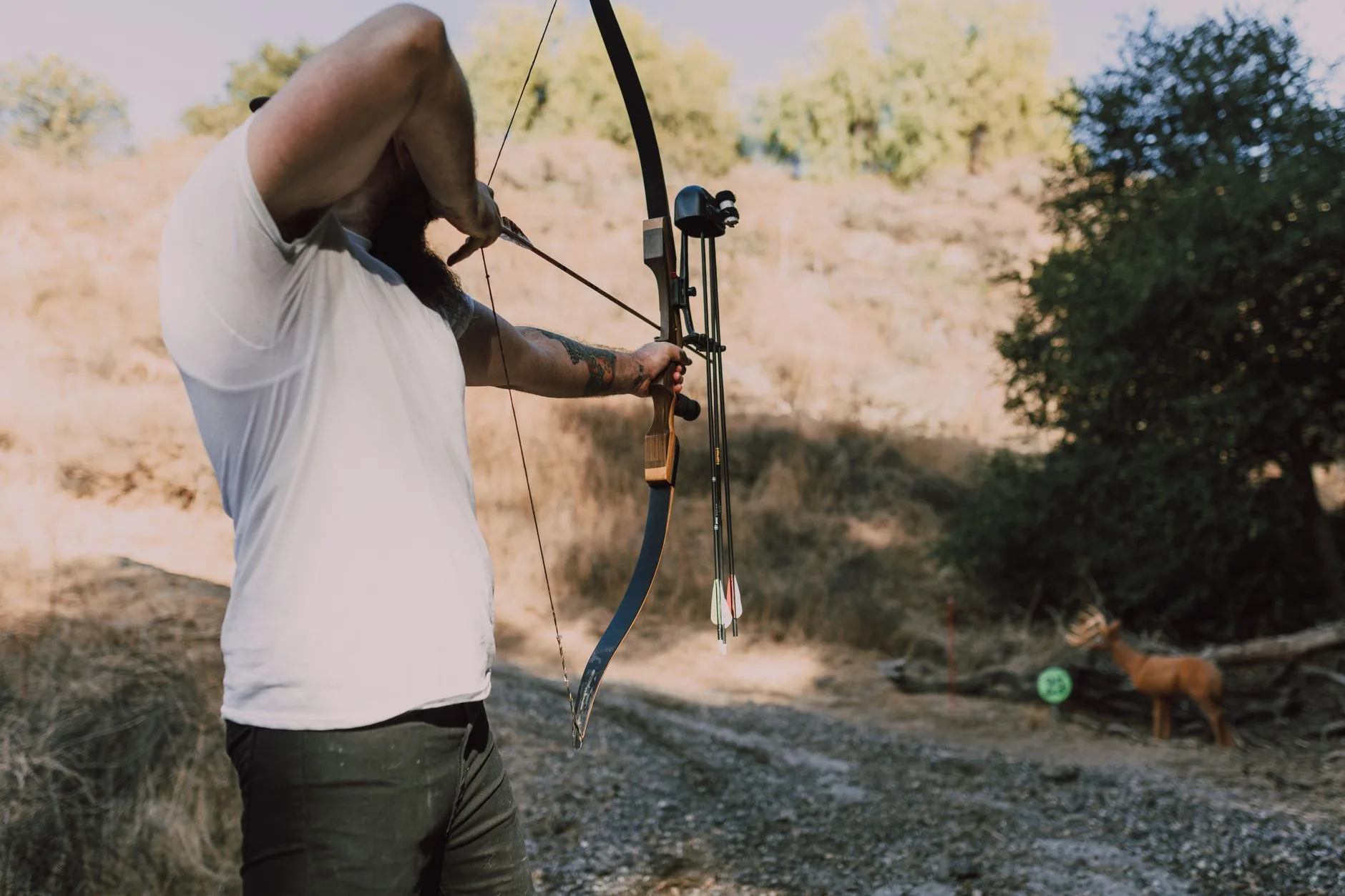
Draw results came back, and your name was on the list. You’ve got a limited-entry archery elk tag — maybe it’s the Bob Marshall, the Gravelly Range south of Ennis, the Breaks above the Missouri, or some drainage tucked back in the Beartooths. Doesn’t matter which one. What matters is this: the hunters who consistently punch these tags don’t out-shoot the competition. They out-scout them. And you’ve got roughly 60 days to do exactly that before the September opener.
Here’s how to use that window wisely.
Start With the Map, Not the Truck
Before you burn fuel or boot leather, spend serious time on OnX or GAIA layered over USDA Forest Service and BLM data. Limited-entry doesn’t mean low pressure. Other archery hunters drew the same tag, and rifle hunters are coming in October. Your job right now is finding the places most hunters won’t bother reaching.
Look for transition zones specifically: edges where burned timber from old fires meets standing lodgepole or Douglas fir, benches sitting just below open ridgelines, the finger drainages that funnel elk between summer feeding meadows and thermal bedding cover. In a unit like the upper Gallatin or the drainages east of the Divide near Augusta, those transition edges are exactly where bulls stage in early September before the rut pulls them into open parks.
Mark every water source you can find — springs, seeps, stock ponds, creek confluences. In a dry summer like Montana almost always delivers by late August, water becomes a magnet. Elk don’t wander randomly in the heat; they move between shade, feed, and water on a reliable clock. Find the water source sitting closest to thermal bedding cover, and you’ve likely found a morning or evening ambush site worth running a camera on.
Get Your Boots on the Ground in July, Not August
Most hunters wait until mid-August to scout. That’s a mistake in a limited-entry unit. July scouting tells you where the elk live — summer range, preferred elevation, social groups. Bulls are still in velvet, grouped up, and relatively predictable. You can glass long ridgelines from a two-track or a high point with a spotting scope and inventory what’s actually in your unit without bumping animals off their patterns.
In southwest Montana units like the Pioneers or the Tobacco Roots, bulls summer high — sometimes above timberline on north-facing basins holding late snow and lush forbs. In the breaks country north of Lewistown or along the Judith River drainage, summer elk herd into cooler timber by mid-morning and don’t move again until evening. Knowing which pattern fits your unit changes everything about your September approach. Those are two completely different hunts.
When you do make your first on-the-ground trip, go light and go quiet. You’re not hunting yet — you’re reading. Check wallows, look for shed velvet once August rolls around, and pay close attention to trails showing fresh use in soft ground near creek crossings. Photograph everything and log waypoints. Honestly, a solid pre-season map built from three or four scouting trips is worth more than any piece of gear you’ll buy this summer. I’d trade a new bow sight for good ground intel every single time.
Understand How September Changes the Game
Early archery season in Montana — especially that first two weeks of September — drops you into a tricky transition window. The rut isn’t fully ignited yet, but bulls are shedding velvet and their attitude is shifting. They’re still loosely holding to summer patterns while also getting increasingly territorial and increasingly responsive to calling. That gap is your opportunity.
A bull that was completely tight-lipped in August will answer a bugle by September 10th in most years. But they’re also smart, especially in units that see consistent pressure year after year. Don’t burn your best locations by overcalling or getting winded. Northern Rockies thermals are predictable — down-canyon in the morning, up-canyon by mid-morning. Build your approach routes around thermal movement, not just terrain. Get lazy about wind once and you’ll be repositioning your entire camp.
Build a Tiered Location List Before You Arrive
Here’s a practical framework that’s served me well: identify at least three distinct areas in your unit — not just spots, but areas of a mile or more — and rank them by access difficulty. Your primary area should be the hardest to reach. Your secondary area should be huntable on a day-push from camp. Your tertiary area is the backup when conditions or pressure shift elk out of your first two zones. You’ll be glad you have it.
Limited-entry tags are rare and hard-earned. The hunters who punch them consistently aren’t lucky — they show up in September with a pre-season plan built on real ground intelligence gathered when pressure was zero and the elk hadn’t been educated yet.
Before any of your scouting trips, confirm season dates, unit boundaries, and access or camping regulations with Montana FWP and the relevant land management agency. Rules change, and your tag paperwork isn’t a substitute for current information. Then get out there. Sixty days is more than enough time to know your unit better than anyone else who shows up come September.
Montana's outdoor week, in your inbox at 7am Friday.