
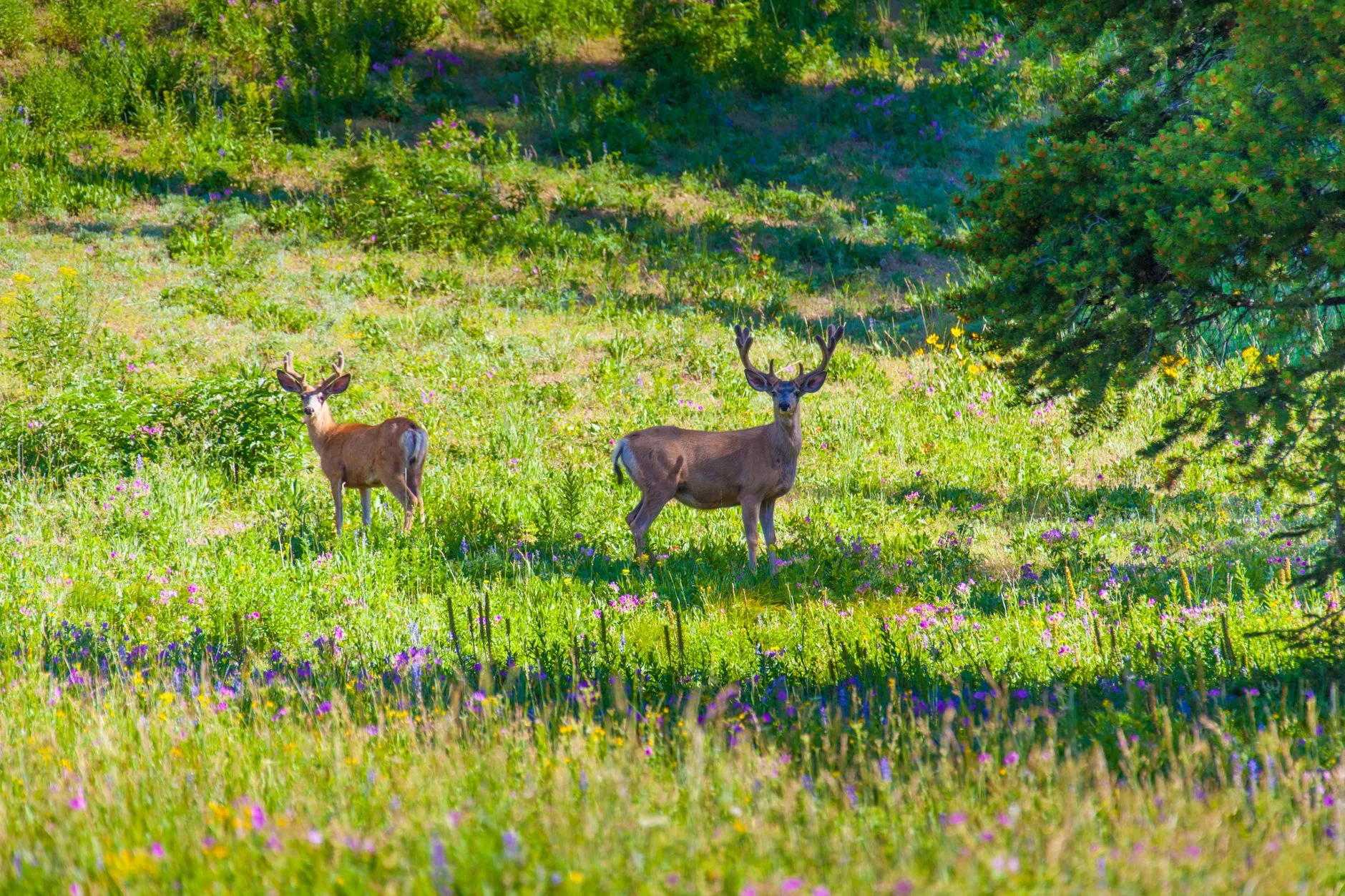
Every fall, the campfire debates start up again. Wolves wiped out the mule deer. It’s the lions. It’s the drought. It’s too many hunters on public land. Everyone’s got a theory, and most people are convinced theirs is the right one. Montana FWP just dropped a video that cuts through the noise — and if you spend any time chasing muleys east of the Divide or glassing the breaks around the Missouri River, you owe it to yourself to watch it.
A Decade of Declining Numbers — and a Lot of Unanswered Questions
Mule deer numbers in Montana have been a sore subject for more than a decade. Hunters who remember the glory days of the Hi-Line in the early 2000s — when a short walk off a gravel road in Phillips or Blaine County could put you in front of a shooter buck before noon — know those days feel like a different era. FWP’s harvest data backs that feeling up. The agency has spent years adjusting permits in deer hunting districts across eastern Montana, tightening buck-only restrictions and reducing general license availability in areas where populations have struggled to recover.
Some of the most notable contractions have shown up in districts along the Musselshell River drainage, the Missouri River Breaks, and the rolling sagebrush country south of the Milk River. These aren’t random blips. Biologists tracking herd composition in those areas have documented fawn recruitment rates that simply aren’t replacing mature animals lost to winter kill, predation, and harvest pressure combined. When you’re losing more deer than you’re adding back to the population each year, the math eventually catches up — and it has.
It’s Never Just One Thing
What this video gets right is something wildlife biologists have been saying for years but hunters rarely want to hear: mule deer don’t collapse because of a single pressure. It’s not just the mountain lions working the rimrock above the Musselshell. It’s not just two bad winters stacked back to back. It’s not just coyotes hammering fawns on the sagebrush flats in Garfield or McCone County. It’s all of it — habitat quality, winter severity, predator load, and hunting pressure stacking on top of each other in ways that are genuinely hard to untangle from the outside.
That complexity matters for practical reasons. It shapes how FWP structures seasons, where they issue damage or depredation hunts, and how they allocate pressure across the roughly 6 million acres of public land in eastern Montana where most serious mule deer hunting happens. If the agency misreads what’s driving a population drop in a given district — blaming harvest pressure when it’s really winter severity plus poor fawn survival — they’ll set the wrong season structure and the herd won’t respond the way anyone expects.
What This Means If You’re Hunting Muleys This Fall
If you drew a special permit in a restricted district this year, or you’re planning an over-the-counter general season hunt in one of the open eastern districts, a few things are worth keeping in mind going in:
- Check the district-level data before you go. FWP publishes hunting district summaries and population trend information on their website. Spending 20 minutes with those reports before your hunt tells you more about what to expect than any online forum will.
- Fawn recruitment is the number to watch. A district with low fawn-to-doe ratios coming out of winter is going to hunt differently than one that had a mild year and strong recruitment. If FWP’s surveys show poor fawn survival in your target area, buck numbers may look thin even if the habitat looks right.
- Habitat edges still matter most. Mule deer in the breaks and river drainages are living and dying by access to quality winter range and thermal cover. On public land along the Missouri, Powder, or Yellowstone drainages, the deer that survive pressure and predation are the ones tight to that cover — glass the rims and coulees before you walk the flats.
- Be an honest voice in the campfire debate. When someone blames wolves for every dead mule deer in eastern Montana, it’s worth pushing back — not to be contrarian, but because single-cause thinking leads to bad management advocacy. FWP responds to hunter input, and the quality of that input matters.
FWP Isn’t Getting Everything Right — But They’re Asking the Right Questions
The agency has made its share of management calls that hunters have pushed back on over the years, and that scrutiny is healthy. But videos like this one signal that FWP is at least trying to communicate the real complexity of mule deer management rather than offering easy answers that don’t hold up. That’s worth something. Watch it, share it with your hunting partner, and bring some of it into the conversation next time the campfire argument starts. The more hunters understand what’s actually driving these population swings, the better the management decisions that come out of it — for the deer and for the hunting.
Montana's outdoor week, in your inbox at 7am Friday.