
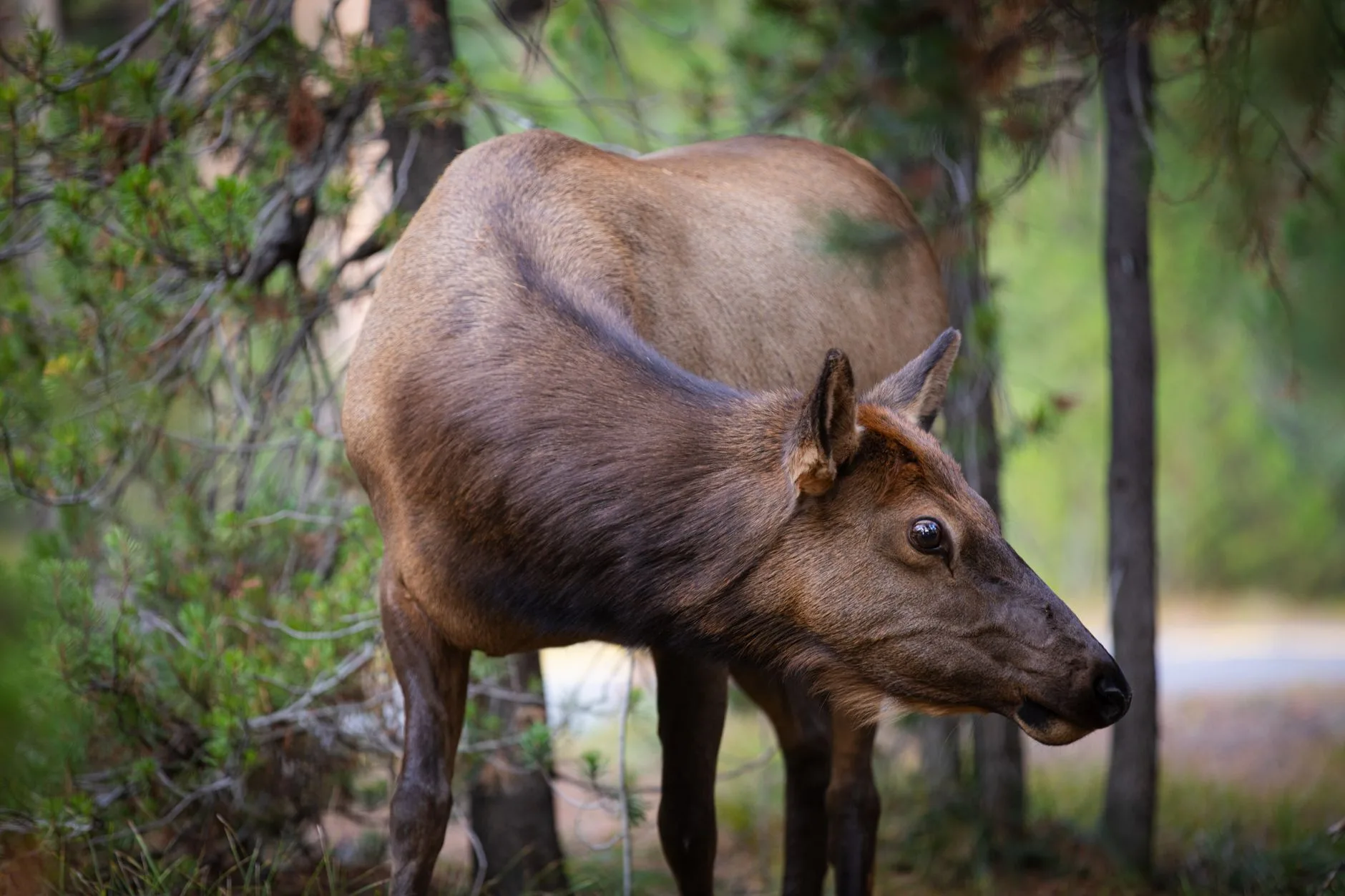
If you’ve spent any time hunting elk in the Gardiner Basin, debating over coffee in Livingston, or just following Northern Range wildlife numbers out of habit, you already know this argument well: wolves killed the elk herd. It’s a tidy story, and for a lot of Montana hunters it feels personal — especially those who watched the Northern Yellowstone elk herd crater from roughly 19,000 animals in the mid-1990s to fewer than 4,000 by the late 2000s. But a new video from the YouTube channel The Wild Clause takes a hard look at that narrative and complicates it in ways that are genuinely worth your time.
The video walks through the timeline starting in January 1994 — before wolves were even back on the ground — and methodically lays out every variable biologists have wrestled with since: wolf predation, bear predation, hunter harvest, drought, range conditions, and the behavioral shifts elk made simply by knowing predators were back. That last piece, the so-called “landscape of fear,” got a lot of attention in ecology circles for a while, but the science behind it has been challenged more than most casual readers realize. What this video does well is resist the urge to hand you a clean answer, because the honest truth is that wildlife managers still don’t have one. Multiple factors hit simultaneously, and teasing apart their individual contributions has proven brutally difficult even for researchers who have been on the Northern Range for decades.
For Montana elk hunters, this isn’t just academic. Hunting districts adjacent to Yellowstone — units like 313 and 316 in Park County — have seen real, lasting changes in elk distribution and hunter opportunity that track directly with this population story. Hunters who once filled tags on late-season cows moving out of the park have had to adapt, push harder into the backcountry, or shift their focus to other drainages entirely. FWP has adjusted hunting seasons and permit structures repeatedly in response to herd dynamics, and those decisions are downstream of exactly the kind of contested science this video unpacks. Understanding why the herd shrank — and why biologists are still cautious about declaring a single cause — matters when those same management debates resurface at commission meetings and in license allocation decisions.
This is the kind of content that rewards the viewer who already has some skin in the game. If you’ve got a wolf opinion — and in Montana, most people do — watch it anyway. It won’t necessarily change your mind, but it’ll sharpen your argument and give you a clearer picture of what the data actually shows versus what’s been retrofitted onto it after the fact. The elk are still out there. The debate isn’t going anywhere either.
Montana's outdoor week, in your inbox at 7am Friday.