
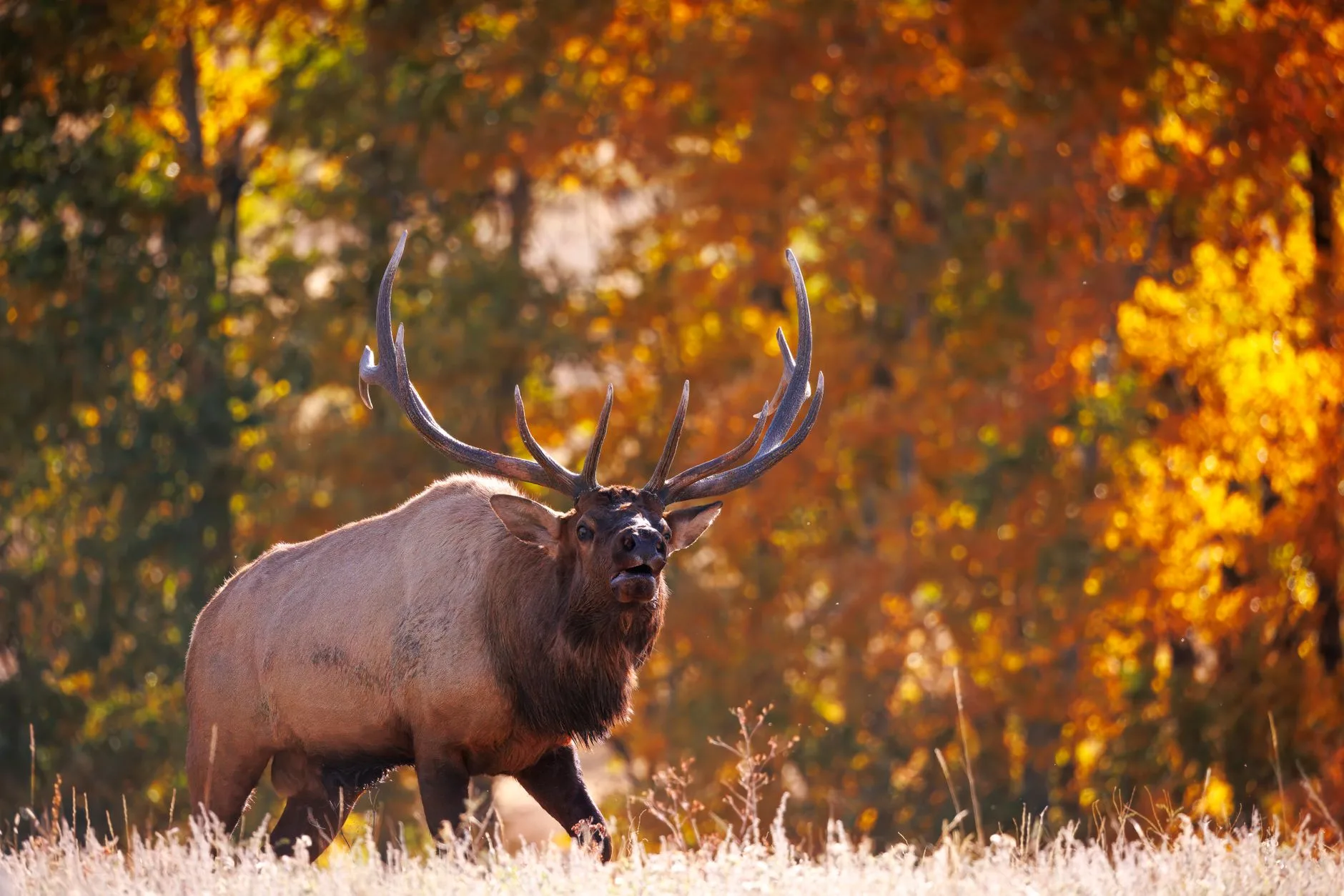
Peak Rut, Pressured Bulls: Where to Find Public Land Elk This Week
Late October is the week Montana elk hunters spend all year waiting for — and all year second-guessing themselves about. The rut is cresting, bulls that went underground after opener pressure are starting to move again, and the general rifle season is in full swing across the state. If you’ve been grinding through silent timber since opening weekend and wondering where all the elk went, the short answer is: they’re still there. They just moved, and so should you.
Why Week Two Feels Dead — And Why It Isn’t
Opening weekend on Montana’s public land units is loud in every sense. Trucks on every two-track, orange in the timber, shots ringing across every basin from the Bitterroot to the Beartooths. Bulls that were bugling freely in mid-September go quiet fast. They’ve been educated by hunters, often by cows that spooked and dragged them deep, and they simply stop advertising. New hunters interpret that silence as “the elk left.” Veterans know it means the game just got harder.
Here’s what’s actually happening inside those herds right now: the rut is still running. Cows are cycling, bulls are tending, and breeding activity doesn’t stop because a spike camp moved in. What changes is the geography. Bulls pull out of the places they were predictably using — open parks, lower saddles, accessible drainages — and compress into terrain that keeps them alive. Your job this week is to follow them there.
The Terrain Features Holding Bulls Right Now
Dark Timber Edges and Benches
In units surrounding the Bob Marshall Wilderness, the Gravelly Range south of Ennis, and the breaks country along the Missouri River drainage, bulls pushed by pressure are going to dark timber — but not necessarily the nastiest, most impenetrable stuff. Look for the transition zones: the edges where old-growth Doug fir or spruce meets a small opening, or where a bench juts out of a steep face with a south-facing slope below it. Bulls will bed in the timber and use those benches to scent-check downwind country for cows. These features are invisible on a basic topo but pop clearly on OnX or CalTopo when you’re looking for subtle elevation breaks on steep ridgelines.
The strategy is simple in concept and brutal in execution: get above them. Come in from the top, move slow, and glass the timber edges below you rather than pushing through them. A bull on a bench at this time of year is often bedded by mid-morning, and a hunter crashing through his bedroom is going to educate him — and every elk around him — for days.
Wallows and Secondary Water
Wallows are peak-rut locations that hunters undervalue during rifle season because they’ve mentally filed them as “archery spots.” That’s a mistake. Bulls are still hitting wallows in late October, especially after a warm afternoon. The ones holding water this time of year in Montana — typically in shaded north-facing drainages or where seeps keep them wet through fall — are worth scouting on your way in. Honestly, if you found a wallow with heavy sign last month, just go check it. A rutting bull running cows will revisit water sources, and a setup downwind of an active wallow at last light is still one of the best plays you can make right now.
Escape Drainages Nobody Wants to Hike
This one is straightforward but demands some honesty with yourself. If you’re hunting somewhere accessible by a two-track or an easy trail off a highway, you’re hunting where the pressure has already been. The Pioneer Mountains west of Dillon, the Cabinets in Lincoln County, the South Fork of the Flathead corridor — every one of these systems has country that simply doesn’t get hunted because it requires a full day’s walk and a willingness to pack heavy. That’s where your bull is. Not necessarily the biggest or deepest basin, but the next drainage over from wherever everyone else stopped and turned around.
Rut Behavior to Work With Right Now
Peak rut in late October means bulls are still responsive — just not the way they were in September. Cold-calling blindly with bugles is often counterproductive on heavily pressured public land. A bull that’s been screamed at by a dozen hunters over the past two weeks is going to walk the other direction from a bugle. In my experience, what works better right now is cow calling, patience, and restraint. Soft cow chirps and mews near wallows, water sources, and timber edges can bring a tending bull in when he thinks a loose cow is nearby. Keep it sparse. Less is more when the woods have been noisy all month.
Pay attention to thermals and wind with more discipline than you did opening week. In Montana’s mountain terrain, thermals rise as the morning warms and fall as temperatures drop in the afternoon. Bulls that have survived this long are reading the wind constantly. If you’re hunting a bench or a dark timber edge, position yourself where the wind works for you even when thermals shift — because they will shift, and when they do, a smart old bull will know it before you do.
A Practical Game Plan for Today and Tomorrow
Spend the first and last light of the day behind glass on a high vantage point before you commit to moving through cover. You’re looking for movement in the timber edges, not silhouettes in the open — this late in pressure season, that’s mostly what you’re going to get. Hunt into the wind, always. It sounds basic because it is, but more public land bulls are blown out by scent than by sound, and there’s no recovering from a mature bull that’s winded you at 40 yards.
- Move camp if you have to. If you’ve hunted the same drainage for three or four days without cutting fresh sign, the elk have redistributed. Don’t be stubborn — be mobile. The hunters who filled tags in pressured units this week weren’t the ones who stuck it out in the same hollow. They were the ones willing to pull stakes and go find where the animals actually were.
- Check wallows and secondary water in the afternoon. Evening wallow sits are still highly productive through late October, especially on days that warm up midday. If there’s standing water and fresh tracks around it, plan your evening around it.
Stay out longer than you want to. Legal shooting light in late October in Montana runs later than most hunters realize after a few cold, slow mornings beat them back to camp early. The last twenty minutes of the day, when the thermals are dropping and bulls are starting to move toward cows, has accounted for more elk than most hunters will ever know. Don’t be the guy driving out when the shooting starts.
Montana's outdoor week, in your inbox at 7am Friday.