
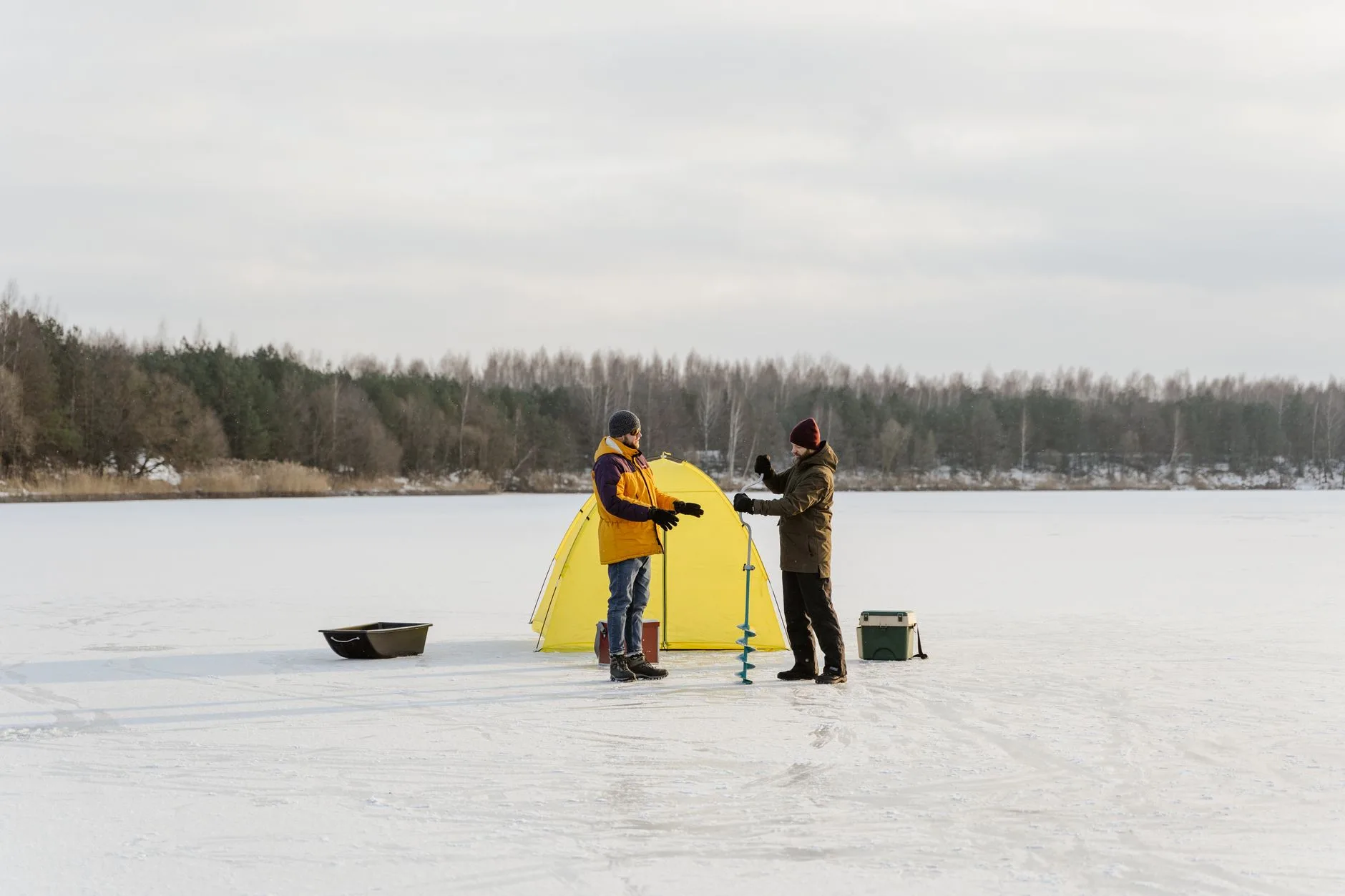
November hit eastern Montana and the pleasantries ended. Overnight temps around Glasgow and Wolf Point have been in the tank, and if you’ve been watching the shallower bays on Fort Peck or any of the smaller reservoirs dotting the Hi-Line, you already know what’s coming. First ice is either here or it’s days out. This is the window walleye anglers either capitalize on or miss entirely while they’re waiting for conditions to feel more comfortable. Don’t wait too long.
Which Waters Are Freezing First
Fort Peck is a beast — one of the largest reservoirs in the country by surface area — and it doesn’t freeze uniformly. The main lake will hold open water well into November, sometimes December. What locks up first are the protected arms, the shallow back bays, the creek inlets. The Dry Arm, Hell Creek arm, and the upper reaches near the Missouri River inlet consistently show fishable ice before the main body does. Those are the spots worth scouting right now, not the main lake.
If you don’t want to deal with the logistics of a reservoir that size, look smaller. Nelson Reservoir near Dodson, the impoundments around Sleeping Buffalo, and the prairie lakes scattered across Valley and Phillips counties will freeze ahead of Fort Peck. Honest early-ice walleye action without the headache of navigating a massive water. Worth a serious look this week.
Ice Thickness: The Only Number That Matters Right Now
Early ice is seductive. It’s also dangerous. Four inches of clear, solid ice is the minimum for a single angler on foot — and that’s a conservative floor, not a comfortable margin. Early November ice on Montana reservoirs is notoriously inconsistent. Six inches in one spot, two inches thirty feet away. That’s not an exaggeration. Inlets, outlets, springs, and anywhere current is pushing underneath will be thinner than the surrounding ice, and it won’t look any different from above.
Do not trust ice based on how it looks from shore. Bring a spud bar and chip test holes every twenty to thirty feet as you move out. If you don’t own a spud bar, that’s your first purchase before you step foot on any reservoir this season. Carry a throw rope. Wear ice picks around your neck — not stuffed in your pack, around your neck. Early ice kills people who skip those steps, and eastern Montana is far enough from trauma centers that the margin for error is essentially zero.
Before you go, call the bait shops in Glasgow, Malta, and Jordan. Those folks are either on the water themselves or talking to people who are every single day, and they’ll tell you straight whether it’s fishable or not. Montana FWP may also post relevant safety updates — confirm current ice conditions and any applicable regulations directly with them before heading out.
Early Ice Walleye Tactics That Actually Work
Here’s what makes early November so good on Fort Peck’s arms and bays: walleye are actively feeding and they haven’t seen an ice fishing presentation in almost a year. That combination makes first ice some of the best walleye action of the entire winter — often better than mid-January, when fish have been pressured for weeks and you’re grinding for every bite.
Early ice walleye are staging in the same transitional zones they used during late-fall open water. Points, underwater humps, edges of flats dropping into deeper basin water. They haven’t buried themselves in the mud yet. On Fort Peck’s arms and bays, start in the ten to twenty-five foot range and adjust from there.
Presentation Tips for Early Ice
- Jigging spoons tipped with a minnow head are a go-to for early ice walleye. Flash triggers the strike, scent closes the deal. Work them aggressively — this is not the time for subtle, finesse presentations. If you’re being delicate, you’re leaving fish in the hole.
- Blade baits like a Swedish Pimple or a Cicada let you cover the water column quickly when you’re still locating fish. Good search tools before you commit to a spot.
Run tip-ups with live or fresh-dead shiners set at mid-depth while you actively jig another hole. On a reservoir like Fort Peck, spreading your presentation across the water column early in the season gives you more information faster. Fish dawn and dusk hard — early ice walleye, just like open-water walleye, are most active in low-light windows. A bright November afternoon on clear ice can go dead quiet in a hurry. And drill more holes than you think you need. Mobility is your biggest advantage before pressure sets in. If a spot goes quiet after thirty minutes, pick up and move. Don’t sit on dead water hoping something changes.
The Open-Water vs. Ice Decision
Some walleye diehards will argue that the last open-water days on Fort Peck in late October and early November produce bigger fish on average than early ice — and honestly, there’s truth to that. Trolling crankbaits along main-lake structure in cold, clear fall water is a legitimate big-fish pattern. In my experience, those late-fall trolling days can be as good as anything Fort Peck produces all year. But that window is closing fast. Once the arms and bays lock up, the boat gets trailered whether you’re ready or not.
If you’re within a few hours of Glasgow or Malta this week, the smart play is to check ice conditions on the sheltered arms first. Clear ice, consistent thickness — get out there. The first two weeks of fishable ice on Fort Peck’s arms are historically some of the most productive walleye days of the year, and right now, most of the competition is still arguing about whether it’s time yet. It’s time.
Always confirm current fishing regulations, season dates, and any special restrictions with Montana Fish, Wildlife & Parks before heading out. Ice conditions change rapidly — get local intel before you go.
Montana's outdoor week, in your inbox at 7am Friday.