
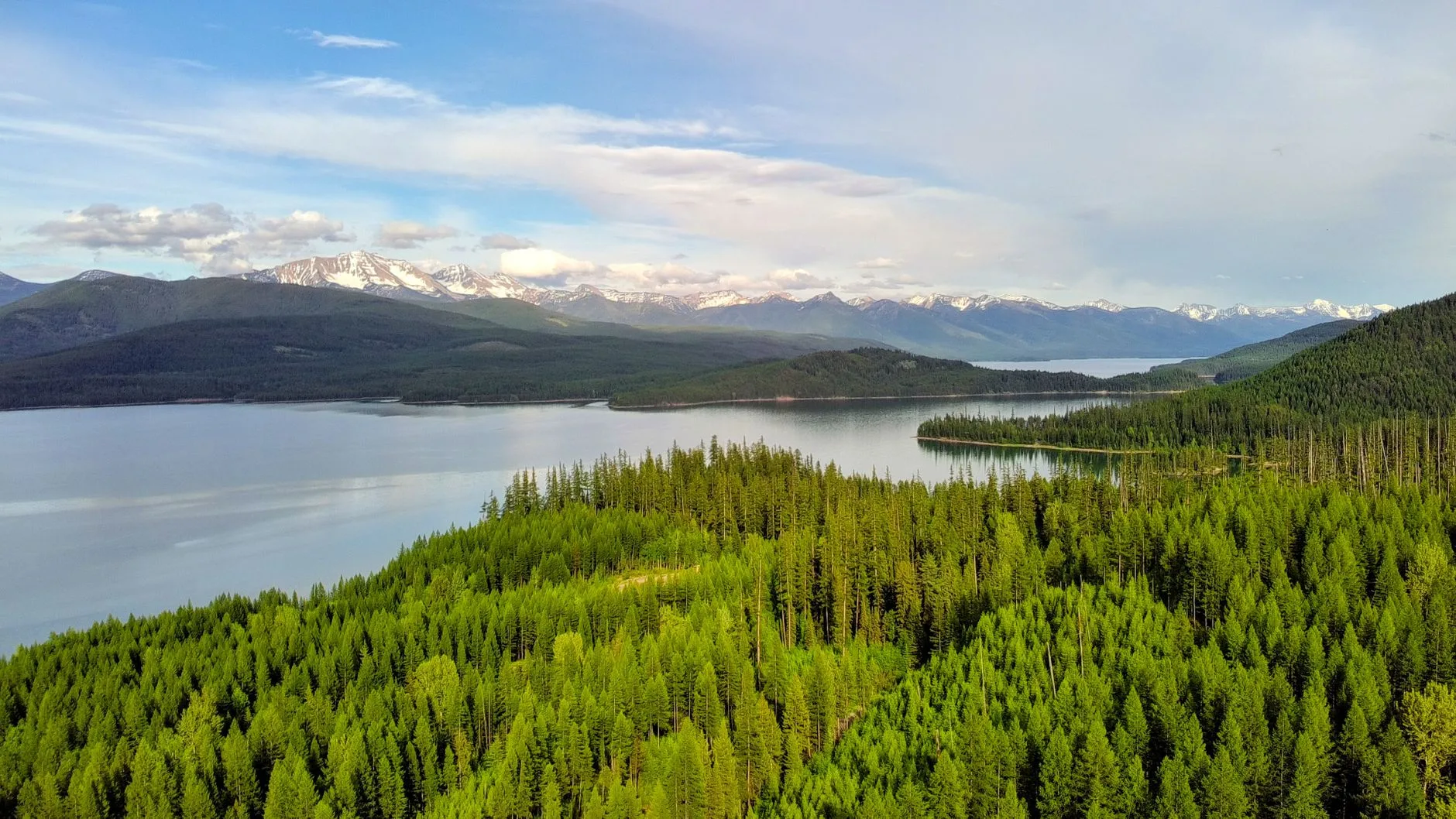
If you’ve spent any time hunting elk in the Bob Marshall, glassing mule deer along the Missouri Breaks, or just driving through country that looks like it should be absolutely crawling with wildlife — you’ve probably had the thought: where did all the animals go? It’s not just you. Montana’s wildlands are vast, stunning, and by many measures, still dramatically underpopulated compared to what they once held. A new video from the channel Rebuilding Earth takes a hard look at that question, and the answer is more complicated — and more uncomfortable — than most people expect.
The Montana Context Most Hunters Don’t Learn at the Trailhead
Here’s the thing about hunting and fishing in Montana: the baseline we accept as normal is itself a diminished version of something much larger. Bison that once numbered somewhere between 30 and 60 million across North America — with massive herds moving through the Yellowstone River corridor, the Judith Basin, and the Sun River country — were functionally erased from Montana in roughly two decades of commercial hide hunting. By the 1880s, a species that had shaped the entire ecology of the northern plains was gone from the state. The grasslands, the predators, the Indigenous hunting cultures built around the herds — all of it reorganized around an absence.
Elk followed a similar arc. Market hunters working the valleys of the Bitterroot, the Blackfoot, and the Clark Fork decimated wintering herds before the Lacey Act and early state game laws slowed the bleeding around the turn of the 20th century. Montana Fish, Wildlife & Parks today manages elk across more than 150 hunting districts, and population objectives in many of those districts still run below biological carrying capacity — not because the habitat has degraded beyond recovery, but because rebuilding takes generations and the pressures haven’t fully let up. Check the annual elk population trend reports on the FWP website for your district and you’ll see what a century and a half of recovery actually looks like in spreadsheet form: slow, uneven, and still in progress.
What This Means for Hunters and Anglers Right Now
This isn’t just historical background. It has real consequences for how tags get allocated, how predator-prey relationships play out on the landscape, and how debates over bison management on the borders of Yellowstone National Park keep ending in the same political stalemate. The land along the Gardiner Basin and the Horse Butte peninsula near West Yellowstone can support bison — and does, increasingly, as the Interagency Bison Management Plan evolves — but every step toward expanded range runs into livestock grazing interests and state boundary politics that have nothing to do with carrying capacity.
For deer hunters working the Missouri Breaks or the Pryor Mountains, mule deer numbers that look healthy by recent standards are still a fraction of pre-settlement densities. FWP’s most recent mule deer population trend data shows encouraging signs in some regions and continued pressure in others, with winter severity and drought in the summer range doing damage that hunting pressure gets blamed for unfairly.
Practical Takeaways If You Hunt or Fish Montana Public Land
- Pull your district’s data before the season. FWP publishes hunting district statistics annually, including population indices, harvest numbers, and objective comparisons. If your district is well below objective, that context matters when you’re deciding whether to hold out for a mature bull or fill an antlerless tag.
- Understand winter range, not just summer range. Most hunters scout where elk and deer spend September. The bottleneck is almost always winter range — lower-elevation ground along river drainages like the Sun, the Dearborn, and the Smith. Supporting access and habitat funding in those areas does more for long-term population health than almost anything else.
- Follow the bison boundary situation if you care about ecosystem restoration. Montana’s stepping-stone approach to expanding bison tolerance outside Yellowstone is one of the most consequential wildlife management stories in the West right now. It affects predator dynamics, grassland health, and eventually — over decades — the broader prey base that elk and deer hunters depend on.
- Give FWP comment periods real attention. When the department opens public comment on predator management, season structure, or habitat funding priorities, those comments actually influence outcomes. Hunter and angler participation in those processes is thin compared to what it could be.
The Bigger Picture
The Rebuilding Earth video is worth your time specifically because it refuses to frame modern wilderness as a conservation success story and leave it there. The Bob Marshall Wilderness is extraordinary. The Beartooth Plateau is extraordinary. But walking those landscapes with an honest understanding of what they once held — and what the politics of land use, livestock grazing, and predator management have kept them from becoming — changes how you read them. It’s not pessimism. It’s the kind of clear-eyed engagement that actually leads to better outcomes for wildlife over time.
Watch the video. Then pull up your hunting district’s population trend report at fwp.mt.gov and sit with both of them for a while. The gap between what Montana’s public lands hold and what they’re capable of holding is the most important conversation in wildlife management that most hunters are only half-aware of.
Montana's outdoor week, in your inbox at 7am Friday.