
Most anglers pack it in after Labor Day. The crowds thin out, the weather turns, and everyone assumes the fishing is over. That’s exactly why October belongs to the people who know better — and why this new video from The Reel 406 is worth your time before you hang up the waders for winter.
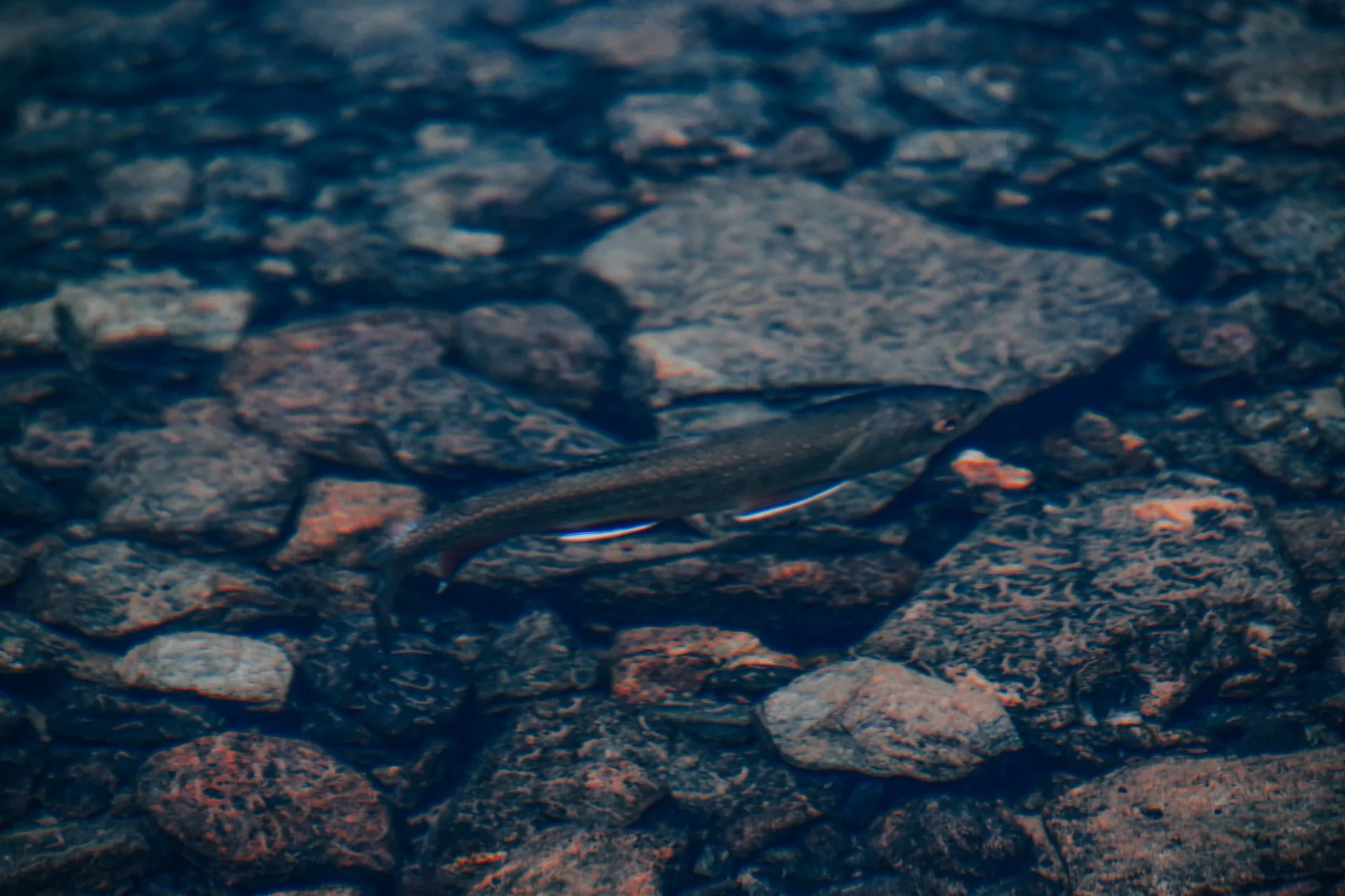
Western Montana’s small creek systems are genuinely something else in the fall. The larch are turning gold, the water has cleared and dropped after the summer heat, and the wild westslope cutthroat — freed from the pressure of July’s parade of out-of-state anglers — are aggressive and feeding hard before the cold sets in. These fish are native to these drainages. On most of Montana’s smaller streams west of the Divide, they’re the only trout you’ll find. That’s not a consolation prize. That’s the whole point. Wild westslope cutthroat are beautiful fish with a history in this landscape that runs a lot deeper than any stocking program, and catching one on a small creek in October, with the cottonwoods yellow and a bull elk bugling somewhere up the drainage, is about as Montana as it gets.
Why Fall Creek Fishing Works
The conditions that make summer creek fishing frustrating — low, warm, clear water with educated fish holding in every shadow — are the same conditions that set up fall fishing beautifully once temperatures drop. By late September and into October, water temps in western Montana’s smaller drainages are back in the ideal range for cutthroat metabolism, typically between 45 and 58 degrees Fahrenheit. The fish know winter is coming. They’re eating.
Fall also brings reliable hatch activity that a lot of anglers overlook. Blue-winged olives are the headline bug of the season — a size 18 or 20 BWO dry is about as reliable a producer as you’ll find on western Montana creeks from mid-September through mid-October. Fish them on overcast afternoons when the light is flat and the bugs are on the water. If the dries aren’t producing, drop a small soft hackle or pheasant tail off the back and work the seams. Mahogany duns show up on some drainages in this window too, slightly larger than BWOs and worth carrying a few in size 14–16. Later in October, when the air gets cold and hatches slow, switch to a streamer or a larger nymph rig. Cutthroat will still chase a small olive or black woolly bugger stripped through a pool, especially on warmer afternoons.
Where to Go and How to Access It
Western Montana has no shortage of small creek options on public land. The Lolo National Forest, the Flathead National Forest, and the Bitterroot National Forest collectively contain hundreds of miles of fishable creek water, much of it lightly pressured and accessible via forest roads and trail systems. Streams in the Clark Fork drainage, the Bitterroot Valley’s side tributaries, and the smaller feeders running into Flathead Lake’s tributaries all hold native cutthroat populations worth targeting. You don’t need a boat. You don’t need a guide. You need a topo map, a forest road atlas or OnX chip, and a willingness to hike past the first pullout.
Keep in mind that many of these drainages sit on a patchwork of public and private land, so do your homework before you wade across a fence line. The Avenza Maps app with downloaded USGS quads works well for on-the-water navigation, and Montana FWP’s Block Management program opens up some private creek access through the fall season as well.
Know the Regulations Before You Go
This is worth repeating plainly: cutthroat regulations in western Montana vary significantly by drainage, and some of the best small creek fisheries are catch-and-release only with artificial lures and flies only restrictions in place. FWP manages these rules to protect native populations, and the rules exist for good reason — westslope cutthroat are a conservation success story in progress, not a finished one. Before you head out, pull up the current FWP regulations for the specific drainage you’re fishing. Don’t guess. The regulation booklet breaks it down by drainage, and the FWP website has searchable regulation tables that make it straightforward.
Some drainages also have specific season closure dates in October, so confirming your window before you drive two hours up a forest road is time well spent.
Go Before the Season Closes
The Reel 406 does solid work capturing what actually makes Montana fishing worth chasing — not trophy counts or hero shots, but the texture of a real day on the water. Watch the video and you’ll get the idea. The fish are wild, the water is clear, and there’s nobody else around. If you’ve been on the fence about squeezing in one more outing before the season closes out, this is your sign. The cutthroat are there. The crowds aren’t. Go.
Montana's outdoor week, in your inbox at 7am Friday.