
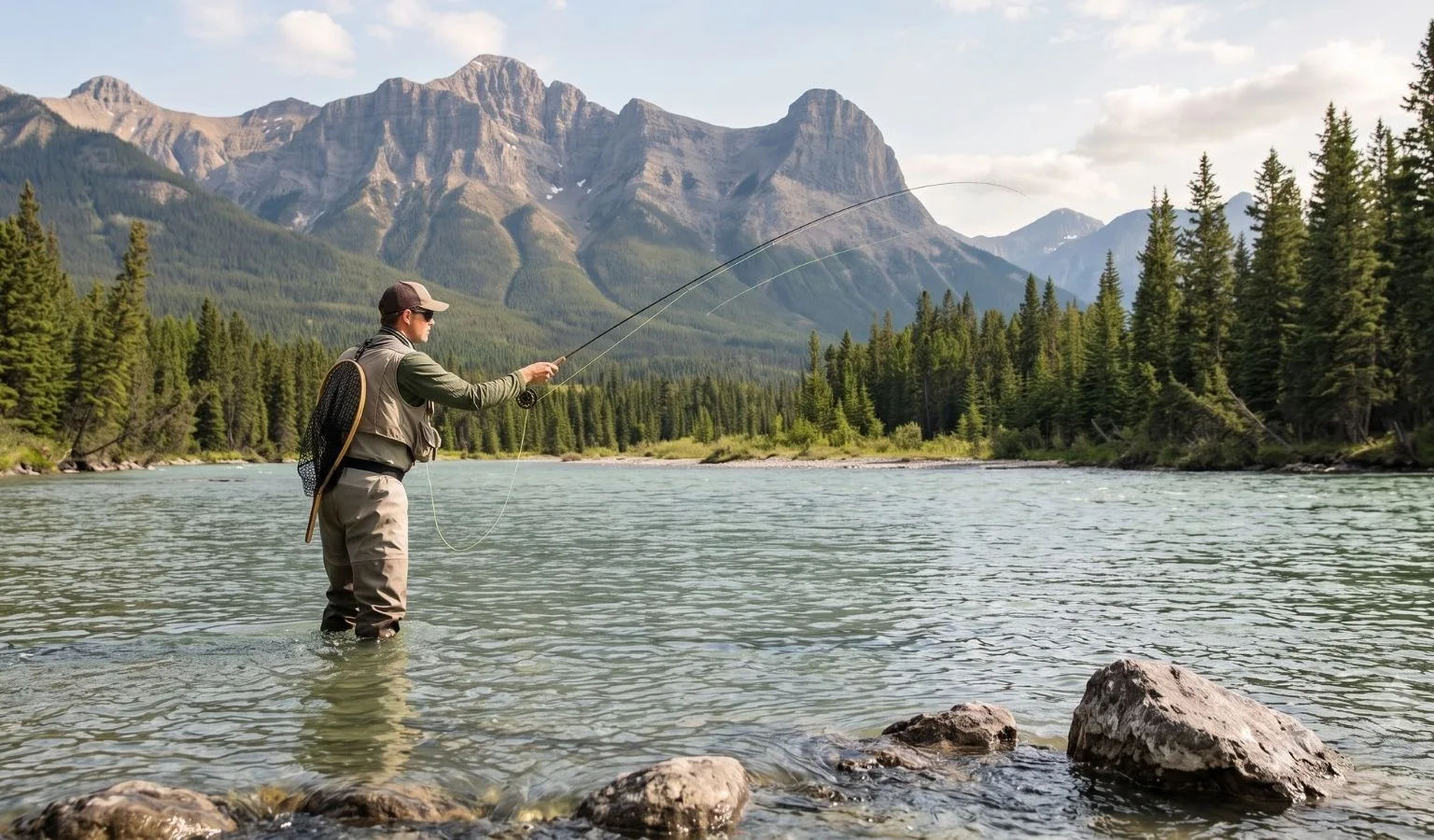
As we slide into the heart of summer, our local waters are experiencing some exciting transitions, according to the July 4, 2026 report by Henry’s Fork Anglers in Island Park, Idaho. While the massive Salmonfly and Golden Stone hatches are winding down on several stretches, they have left behind hungry, opportunistic trout still looking to smash large attractor dry flies. Meanwhile, the spotlight is shifting toward steady hatches of PMDs, Flavs, Caddis, and the occasional late Drake, offering phenomenal match-the-hatch opportunities for technical anglers.
Water levels vary greatly by watershed—from the heavy, boat-reliant flows on the South Fork of the Snake to the dropping, wade-friendly currents of the Teton. Temperature management is also becoming key, particularly inside Yellowstone National Park where afternoon heat requires early starts. Whether you are looking to hunt massive “Ranch Bows” on the surface, swing soft hackles in the park, or target cruising “gulpers” on Hebgen Lake, this week’s breakdown has the exact flows, fly patterns, and tactics you need to find success on the water.
Upper Henrys Fork:
Flows in Box Canyon are currently 1140 CFS.
Fishing in Box Canyon has been very productive. Golden stoneflies are done but fish are still willing to come up and eat a large attractor stonefly. I fish a Fool’s Gold Peanut in size 12, and run a second smaller dry fly behind it. Because there is a smattering of PMD’s in the sun and olives on cloudy days, make your second dry fly choice according to the weather. Solid spinnerfalls in mornings and evenings. Caddis are also present throughout the canyon, I have been fishing corn-fed caddis with solid success. If you want to nymph, green caddis larvae or small mayfly patterns such as a splitcase PMD, redneck, or small olive two-bit hooker, and zebra midges are solid producers. Fish deep where you can.
Harriman State Park down into Pinehaven is really solid and we have seen lots of 18-24 inch Ranch Bows landed just in the last few days, but the big fish are usually only up eating on the surface when bigger bugs are present, so timing is key. The majority of Green and Brown Drakes are done hatching, but when conditions are right the occasional large mayfly still makes an appearance, and the fish still love them. Have a Gray Drake imitation in case a morning or evening spinnerfall occurs, that will be your best chance to catch a biggin. Flavs were hatching great on the rainy and cloudy days, and smaller Green drake imitations can work for those. The CDC Dun Flav is a hot seller. There are lots of caddis, and PMD’s showing up when the sun is out. We also have Hudgen’s Spinners in stock, come get them before they are all gone.
Lower Henrys Fork:
Flows Below Ashton Dam are currently 1570 CFS.
Lots of fish on the lower river. Big PMD’s hatch in the backwater sections, but you will need a boat to chase them effectively. Flav’s also can work their way into some lower stretches of the river. A Chubby Chernobyl in purple is a hot seller, as well as the Henry’s Fork Foam Stone tied either in Salmonfly colors or Golden stone will float a dropper of choice. I’d fish a peacock blowtorch about 16-24 inches below one of those, or any small mayfly dropper like a pheasant tail. Caddis are still active like usual, so be prepared to anchor up in the fun-farm stretch and try to feed some big noses. There are stretches of the lower river that have good Gray drake action if you know where to look.
South Fork of the Snake:
Flows near Irwin are currently 13100 CFS.
Flows at Lorenzo are currently 7320 CFS.
The Salmonfly action has died down, with some bug activity up in section 1 and 2, which will likely drag in for another week or so. Golden stones are still active, and a Henry’s Fork Foam Stone is a great choice, although I have heard the fish are still preferring a Salmonfly. A simple Duracell dropper in 14, or a black or brown Pat’s Rubberlegs in 8 or 10 is going to pick up some fish subsurface. Pale Morning Duns in the riffles make for some great dry fly action, so have a few small mayflies ready to go in traditional yellow and also pink albert variations. We sell a Pinkie Sparkle Dun that will get the job done. Park in a riffle (mindful of other boats around you) and fish the risers. A Split-Case PMD is a personal favorite nymph/emerger when the PMD’s pop. Caddis are still available to the fish, so be ready with some.
Madison River:
Flows Below Hebgen currently 825 CFS
You need a valid Montana fishing license to fish the Madison, so purchase one from Montana FWP online before heading that way. The Madison River has been fishing great from what we’ve heard in the shop. Stoneflies have worked their way up into the upper reaches below quake lake and towards the Slide Inn, and goldens are never too far behind them. The Green Drakes are also flying in some of the rockier sections, so have some duns and cripples like a Paradrake ar some Last Chance Cripples for that midday emergence window. PMD’s are showing up, and should be on the menu for quite awhile for the fish. If the “between the lakes” stretch is too crowded, head downstream and be ready to hike a bit at Reynold’s Pass or Three-Dollar. Then you can usually find a little solitude.
Teton River:
Flows on the Upper Teton near Driggs are currently 480 CFS
Drakes are still flying in the upper Teton, have some big mayflies like a Lawson’s Extended Body for the Drunella and Ephemera. Flav’s and PMD’s also are active, and make for some solid dry-fly opportunities for nice cutthroat and brookies. Try nymphing some of the deeper runs with a yellow-collared frenchie.
The Lower Teton is also seeing some solid options with dry-dropper setups, and a chubby chernobly paired with a two-bit hooker in olive or a small redneck is putting trout in the net. The streamer bite is also great, if the bugs aren’t active try throwing a medium- heavy versi-leader on your line and chucking a baby swim coach, or a sparkle minnow.
Yellowstone National Park:
The cooler weather we saw was good for water temperatures, but the Firehole and Madison River in Yellowstone are too warm to fish in the afternoons. Consider being off the water by 1pm when water temperatures start to climb. Check for fishing closures in the coming weeks. The Firehole always has good opportunities for swinging a small softhackle pattern,with hatches of PMD’s and caddis coming off.
The Yellowstone River above the falls is open to fishing, and already producing some great cutthroats. Nymphing and swinging larger softhackles should be better options until some of the drakes make their appearance.
The rivers in the Lamar Valley are high, but coming into shape. Slough Creek will probably be the first river back in fishable shape, if the thunderheads give the valley a break.
Lakes:
Henry’s Lake-
Henry’s lake is fishable, but you have to know where the cold water springs are on the lake, and have a watercraft to get to them. Balanced leeches and chronomids are your best bet. Talk to some locals and do some research otherwise this fishery is best earlier or later in the season.
Hebgen-
Callibaetis are starting to move on the lake, and that has made for some good days with the gulpers already starting. The latest report I heard in the shop was anywhere you can get down to the water you’ll have a good shot at seeing cruising fish. If the mayflies aren’t hatching, drop a small sno-cone underneath a damselfly imitation or an indicator to chase after those lake bruisers.
Montana's outdoor week, in your inbox at 7am Friday.