
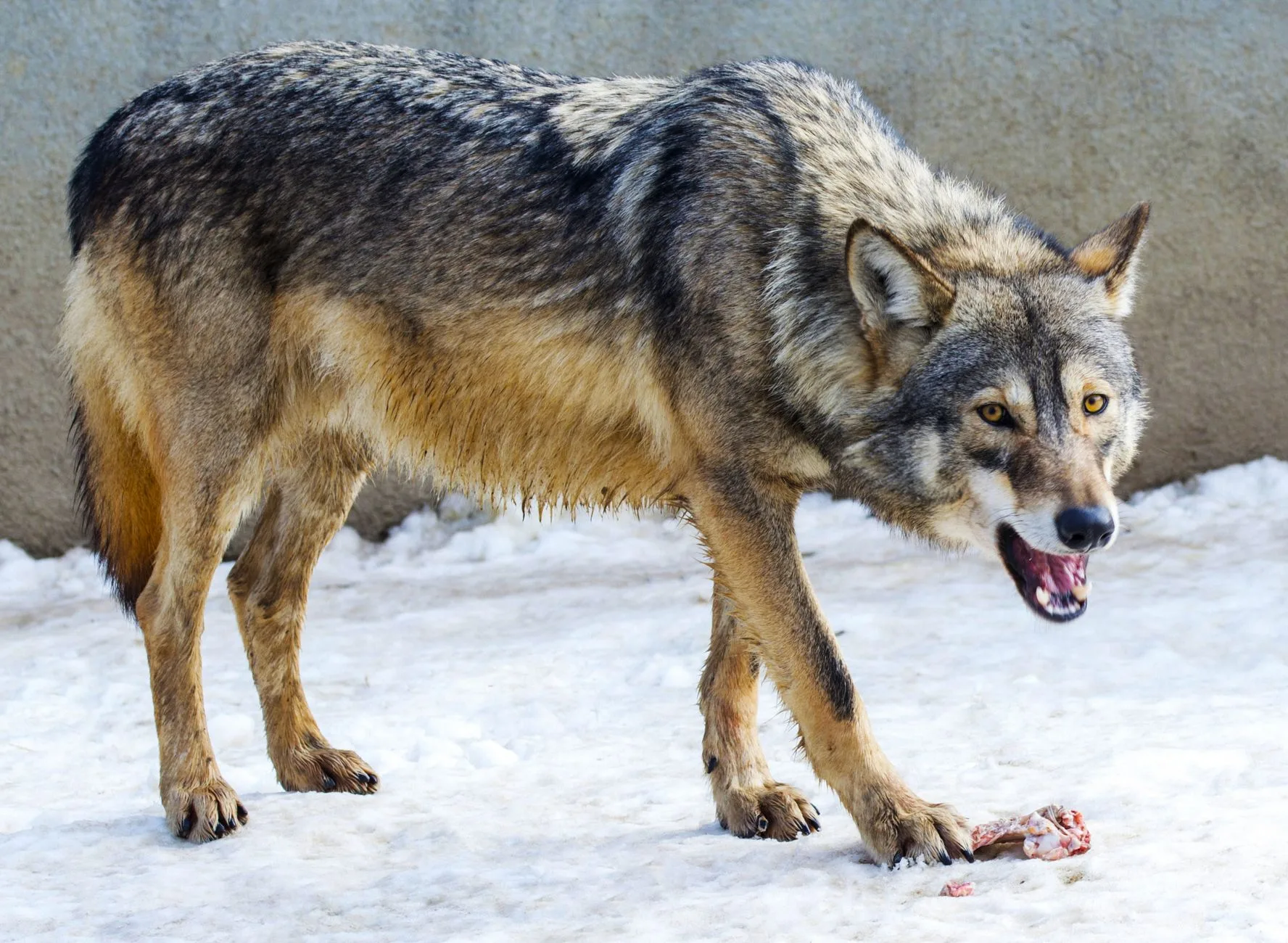
Why Montana’s Wolf Harvest Spikes Every November — And What That Means for Your Hunt
Most wolves taken in Montana aren’t killed by hunters who went looking for them. They’re killed by elk hunters who happened to be in the right place. That distinction matters more than most people realize, and it shapes everything about how wolf harvest actually works in this state.
Every November, the same pattern plays out. Rifle season opens across the Bob Marshall, the Bitterroots, the Beartooths — all the places wolves live because elk live there — and reported wolf takes start climbing. Not because hunters shifted their focus. Because there are suddenly thousands of people in wolf country, moving through timber, glassing ridgelines, and crossing paths with animals that follow ungulate herds for a living.
The Opportunistic Reality of Wolf Hunting
Honest truth: the average Montana hunter isn’t a wolf specialist. He’s an elk hunter, or a deer hunter, or some guy from Missoula who packs into the Selway drainage every October because his grandfather did. Wolf harvest in this state is overwhelmingly incidental — a gray shape moving through the lodgepoles behind a herd you’ve been working, a pack crossing the drainage you glassed at first light, tracks in fresh snow that suddenly become an animal standing broadside at 80 yards.
That’s fundamentally different from dedicated predator hunting. Callers, bait setups, strategic trapping — that’s a different pursuit entirely. What drives November numbers isn’t a surge of wolf hunters hitting the woods. It’s sheer density. Thousands of rifle hunters spread across wolf habitat for weeks at a time, and encounters become statistically inevitable. Some of those encounters result in legal harvests. Simple math.
This matters for understanding wolf management in Montana, because the harvest isn’t centrally directed or strategically targeted. It’s distributed, organic, and entirely dependent on how many hunters show up.
What Rifle Hunters Should Know
If you’re heading into the backcountry this fall, do your homework on wolf regulations before you go. Wolf licenses are separate from your deer or elk tag — that’s step one. The rules from there vary by management unit, and some units have specific quotas that trigger closures once they’re hit. Others run open all season. You need to know which one you’re hunting in, and you need to check the current status before you pull the trigger.
Montana Fish, Wildlife & Parks keeps updated information on wolf quotas and closures. Check it. An expensive mistake in this context means federal-level legal trouble, not a slap on the wrist.
Field identification is the other thing I’d hammer on. In low light or heavy timber, a big wolf can look like a lot of things. Wolves are substantially larger than coyotes — broader heads, shorter ears, different body proportions altogether. A mature wolf is a big animal. If you’re second-guessing yourself, don’t shoot. Beyond the legal risk, a misidentification taints the whole hunting community. We don’t need that fight on top of the ones we’re already having.
The Bigger Picture
The November spike tells you something real about how wildlife management functions on the ground in Montana. It’s not always top-down control operations or government trapping crews. Sometimes it’s the aggregate effect of a robust hunting culture — thousands of people spending weeks in wild country, each one quietly influencing the predator-prey dynamic just by being there.
In my experience, wolves in areas with consistent hunting pressure behave differently than wolves in roadless wilderness cores where they almost never encounter humans. They’re wary. They move differently. Hunters talk about this all the time around camp in the Gravelly Range or the upper Blackfoot drainage — the feeling that wolf behavior shifts with human presence. That’s not anecdote. It’s consistent enough to be real.
For elk hunters who’ve watched wolves work their favorite basins, that’s worth holding onto. Your presence in the field counts, even if you never lay eyes on a wolf the whole season. The distributed pressure model isn’t glamorous, and it doesn’t get much attention in the management debates, but it’s a meaningful part of how this works.
Stay Legal, Stay Informed
The November wolf harvest increase isn’t a mystery. It’s rifle season overlapping with wolf habitat, played out across a few million acres of Montana backcountry. If you’re hunting elk in country with established packs — the Ninemile, the North Fork, anywhere in the southern Bitterroots — carry a wolf license if you’re willing to take a legal shot. But know your unit’s status before you go, and be certain of your target before your finger moves.
Montana’s wolf management is politically loud and probably always will be. In the field, though, it’s quieter than that. Hunters encounter wolves. Some harvest them legally. The numbers reflect how many hunters are out there. Year after year, that’s the pattern — and it says as much about Montana’s hunting participation as it does about wolves.
Source inspiration: Montana Free Press
Montana's outdoor week, in your inbox at 7am Friday.