
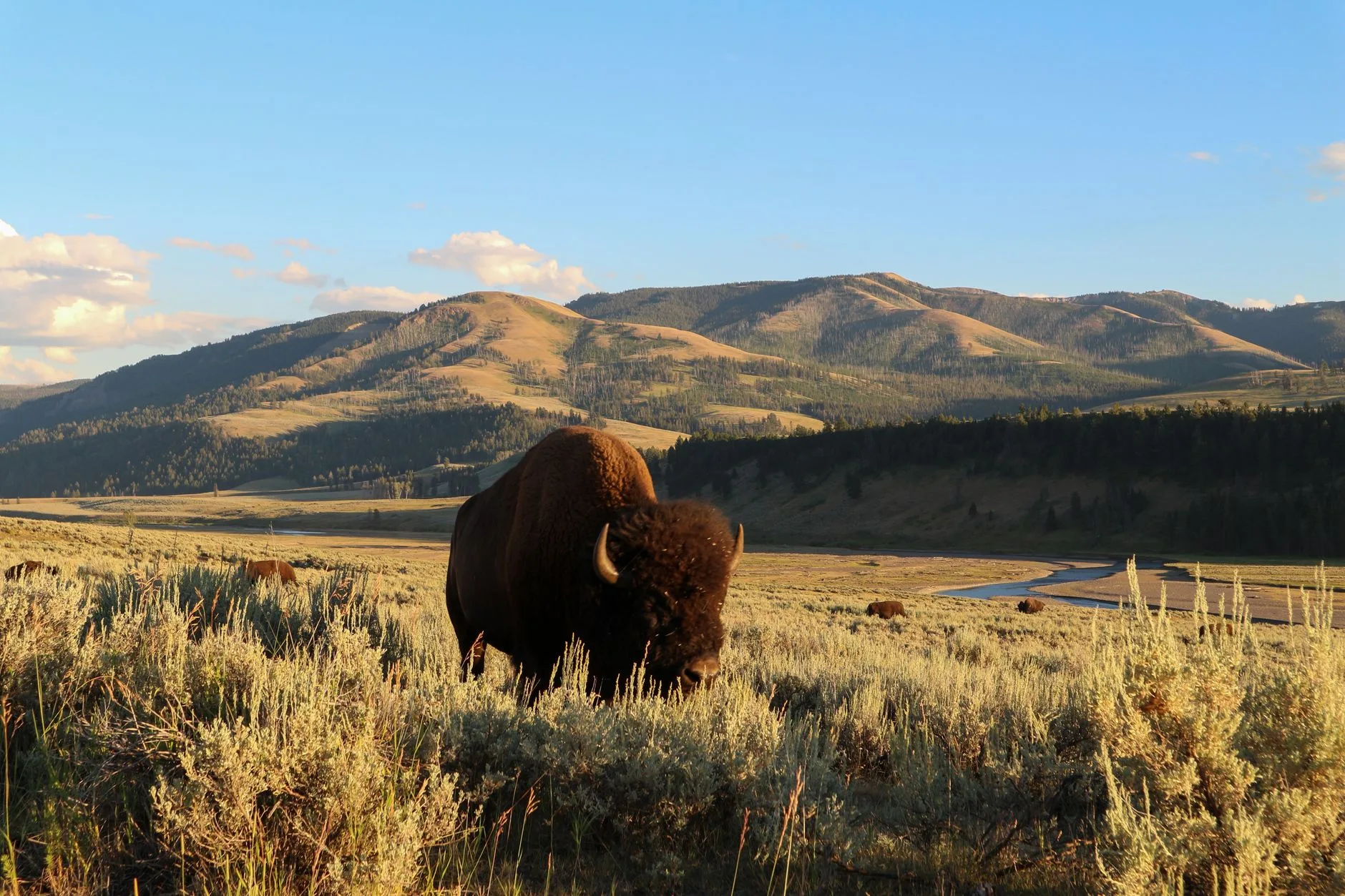
As the country marks 250 years of independence this July 4th weekend, one of the most enduring and combustible debates in Montana wildlife management is getting a fresh national look. The Daily Guardian recently released a new video examining the ongoing collision between bison conservation and ranching interests in the Northern Rockies — and if you’ve followed the Yellowstone bison issue for any length of time, you already know this fight has layers that a single video can’t fully unpack. So before you hit play, here’s the context you actually need.
How the Annual Migration Sets Off the Debate Every Winter
Every winter without fail, Yellowstone’s bison herds — currently estimated at somewhere between 4,500 and 6,000 animals depending on the season — follow the same pressure that has driven them for thousands of years: deep interior snowpack pushes them toward lower elevations and better forage. That migration routes animals north through the Gardiner Basin and west into the Horse Butte and Beattie Gulch areas near West Yellowstone, right along the Madison River corridor. The moment those bison cross the park boundary, they step out of NPS jurisdiction and into one of the most complicated wildlife management frameworks in the American West.
The governing document is the Interagency Bison Management Plan, a multi-agency agreement involving the National Park Service, USDA Forest Service, USDA Animal and Plant Health Inspection Service, the State of Montana, and multiple tribal nations. It’s been in place in various forms since 2000, and it has frustrated nearly everyone involved at one point or another. The plan attempts to balance bison population targets with brucellosis transmission concerns — specifically the fear that infected bison could pass the disease to cattle grazing on adjacent private and public lands in Park and Gallatin counties.
The Brucellosis Question — and Why the Science Is More Complicated Than the Politics
Here’s the part that generates the most heat at FWP public meetings and local café arguments from Gardiner to Ennis: as of this writing, no confirmed case of bison-to-cattle brucellosis transmission in a wild, free-ranging setting has ever been documented in Montana. That’s not a pro-bison talking point — it’s the current scientific record. Elk, which move freely across the same landscapes and are not subject to the same population controls, have been the confirmed vector in documented brucellosis cases in Montana livestock. And yet bison bear the overwhelming regulatory burden.
That doesn’t mean cattle producers’ concerns are without merit. Brucellosis causes reproductive failure in cattle, and a confirmed herd infection can trigger devastating consequences for a ranching operation — quarantine, herd depopulation, loss of brucellosis-free state status. The risk calculus for a family ranching operation running cows in the Gardiner or Madison Valley is real, even if the documented transmission pathway from wild bison remains unconfirmed.
What This Means for Montana Hunters — Practically Speaking
Montana Fish, Wildlife & Parks manages a limited bison hunting season in specific Hunt Management Units adjacent to Yellowstone, primarily in the Gardiner and West Yellowstone areas. These are not over-the-counter tags. Bison licenses are allocated through a preference point draw system, and demand far outpaces supply — if you’re not already building points, now is the time to start. Tribal nations with treaty rights in the region — including the Confederated Salish and Kootenai Tribes, the Nez Perce Tribe, and others — also exercise hunting rights in these boundary zones, a legal and historical reality that sometimes gets overlooked in mainstream coverage of the issue.
If you hunt elk, deer, or pronghorn anywhere near the Missouri Breaks, the Hi-Line, or the Upper Madison drainage, the bison management debate affects you even if you’ve never applied for a bison tag. The American Prairie Reserve has been assembling a free-roaming bison herd on a patchwork of private land and Bureau of Land Management grazing allotments in north-central Montana for nearly two decades. How that project — and the broader policy debate around bison classification on public lands — resolves will influence grazing allotment management, public access negotiations, and the overall wildlife composition of millions of acres you likely already hunt.
Why This Moment Feels Different
There’s genuine momentum right now — from tribal nations, from national conservation organizations, and quietly from some corners of the ranching community — to revisit how bison are classified under Montana law. Currently, bison outside Yellowstone’s boundaries are treated as livestock rather than wildlife in many regulatory contexts, a classification that shapes everything from how they can be managed to who has authority over them. Reclassification efforts have stalled before, but the political and cultural conversation feels more open in 2025 than it has in years.
The Daily Guardian video is a solid 10-minute entry point into that conversation. Watch it, push back on anything that doesn’t match what you know from the ground, and then consider making your voice heard — FWP regional advisory councils hold public meetings throughout the fall planning season, and bison management will be on the agenda. Your seat at that table is the one that actually moves the needle in Helena.
Montana's outdoor week, in your inbox at 7am Friday.