
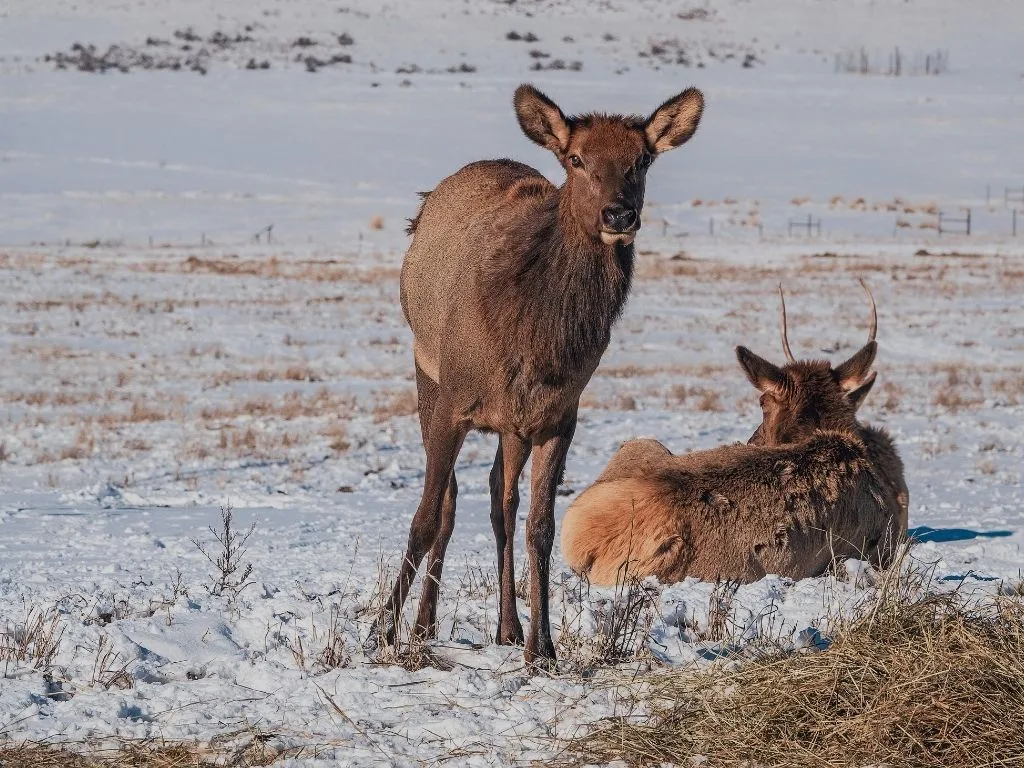
Out in the elk country of the Pacific Northwest, something’s not right — and it’s tugging at the heartstrings of hunters and wildlife lovers. Elk hoof disease, officially called Treponeme-associated hoof disease (TAHD), isn’t a simple one-bug problem.
Key Takeaways
- TAHD is a polymicrobial infection, meaning multiple bacteria are involved in painful hoof lesions.
- The disease can leave elk lame and struggling to walk, creating serious welfare and management concerns.
- It was first detected in Southwest Washington in the late 1990s and drew major attention after cases surged in 2007–2008.
- TAHD has spread from Washington into parts of Oregon, Idaho, and California.
- There’s no treatment or vaccine for wild elk, and there’s no evidence it affects humans.
- Even without widespread confirmed cases in Montana so far, cross-border elk movement keeps the concern alive.
What Is Elk Hoof Disease (TAHD)?
New research shows TAHD is a polymicrobial infection involving multiple bacteria working together inside painful hoof lesions. The result can be severe: affected animals become lame and may struggle to move, forage, and keep up with the herd.
Where It Started—and Where It’s Been Found
The disease first showed up in Southwest Washington in the late 1990s and was barely on anyone’s radar until cases exploded after 2007–2008. Since then, it’s spread outward from Washington into parts of Oregon, Idaho, and California, affecting both Roosevelt and Rocky Mountain elk subspecies — the same types found roaming Montana’s mountains and valleys.
What Scientists Still Don’t Know
Scientists still don’t know for sure why TAHD popped up when it did, why it spreads the way it does, or what environmental or immune system factors make elk especially vulnerable.
Treatment, Vaccines, and Human Risk
Right now, no treatment or vaccine exists for wild elk. And while the disease is alarming to see in the field, there’s no evidence that it affects humans; it’s strictly an ailment of the elk themselves.
Why Montana Hunters and Biologists Are Watching Closely
While there haven’t been widespread confirmed cases in Montana so far, elk roam right across state lines and share habitats with herds where the disease is present, so biologists and hunters watch closely.
TAHD Isn’t the Only Disease on the Radar
In the meantime, elk in Montana also face other long-standing threats, such as chronic wasting disease, another fatal wildlife disease that occurs in elk and deer here and is monitored by wildlife agencies.
Why This Matters
What’s clear is this: elk hoof disease is more than just deformities on their feet — it’s a puzzle that’s hurting herds and challenging wildlife managers. People who care about these animals want answers, better science, and more transparency so this crisis doesn’t keep deepening without a plan to help the animals and the ecosystems they belong to.
Related Reading
- Chronic Wasting Disease (CWD): what it is, where it’s found, and why it matters
- What hunters should consider when encountering a visibly sick or injured elk
- How to report suspected wildlife disease sightings (and why details matter)
- Roosevelt elk vs. Rocky Mountain elk: key differences and where they live
- How wildlife agencies monitor disease in big game herds
- A look at elk country in the Pacific Northwest—and the pressures herds face
FAQ: Elk Hoof Disease (TAHD)
- What does TAHD stand for?
- TAHD stands for Treponeme-associated hoof disease, the official name commonly used for elk hoof disease.
- Is elk hoof disease caused by a single bacteria?
- No. Research indicates it’s a polymicrobial infection, meaning multiple bacteria are involved in the hoof lesions.
- When did elk hoof disease first appear?
- It was first detected in Southwest Washington in the late 1990s, and it became much more prominent after cases surged in 2007–2008.
- Where has TAHD been found?
- After emerging in Washington, it spread into parts of Oregon, Idaho, and California.
- Which elk subspecies are affected?
- TAHD has been documented in both Roosevelt elk and Rocky Mountain elk.
- Is there a treatment or vaccine for wild elk?
- At this time, no treatment or vaccine exists for wild elk.
- Can humans catch elk hoof disease?
- There’s no evidence it affects humans. It’s described as an ailment of elk themselves.
- Why are people in Montana concerned if cases aren’t widespread there?
- Even without widespread confirmed cases so far, elk move across state lines and can share habitats with herds where TAHD is present, so hunters and biologists are watching closely.
Photo: akspiel from Pixabay