Many have been there: you’re minding your own business, exploring the great outdoors, when suddenly a wild animal appears. But as one viral video recently reminded us, there’s a big difference between spotting a squirrel and accidentally stumbling into the path of a literal forest titan.
In this popular Facebook Reel, a biker found himself getting a wave of internet backlash after a dangerously close call with a moose. The clip serves as a pretty intense reminder that nature doesn’t have a pause button.
To ensure you don’t end up as the next viral cautionary tale, here’s what you actually need to know about these massive creatures—and how to handle a surprise face-to-face.
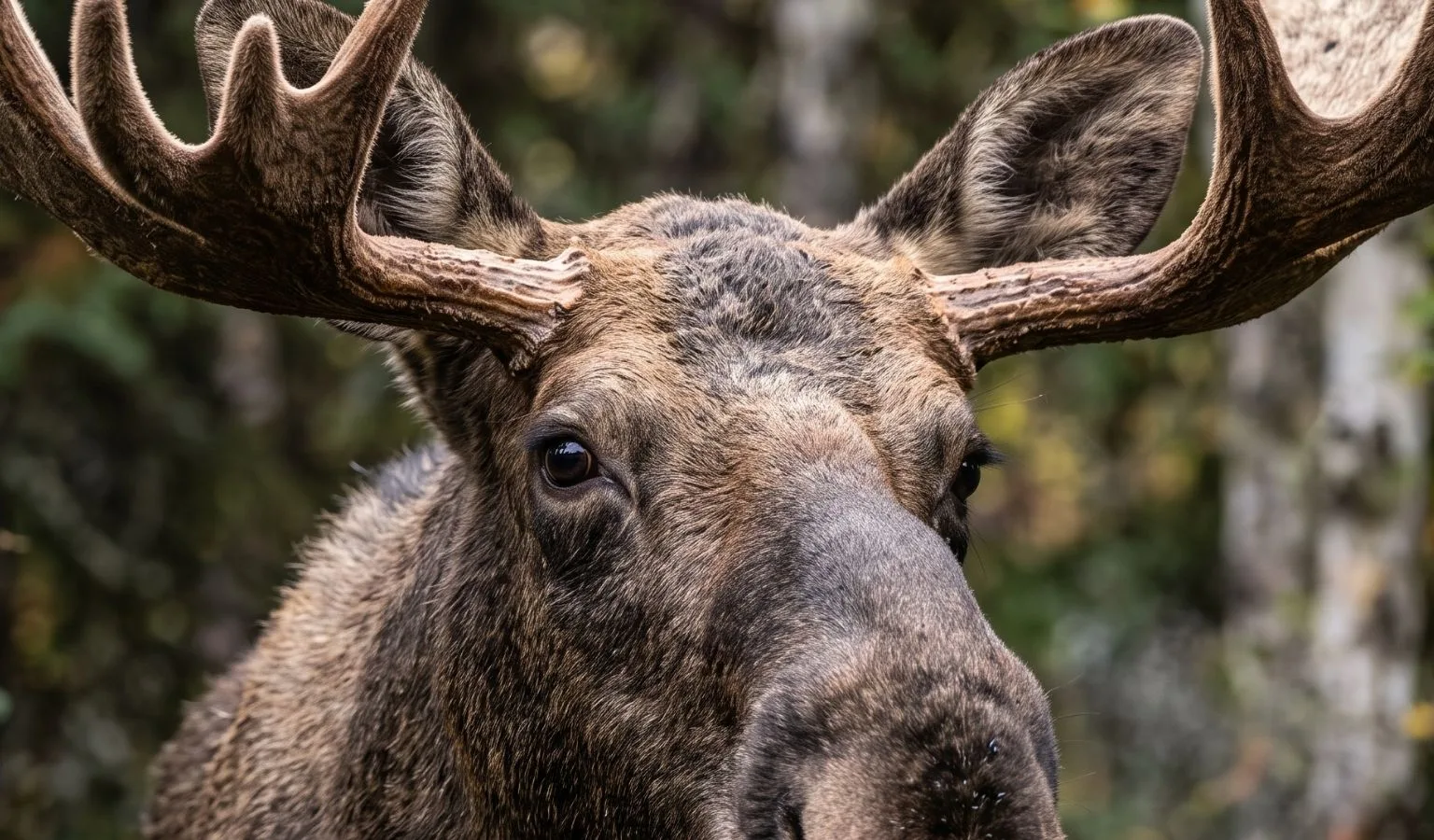
It’s easy to look at a moose and think of them as oversized, goofy deer. In reality, they are formidable forces of nature. According to the National Wildlife Federation, an adult moose can run at speeds tracking over 35 miles per hour. That means if one decides to close the distance between you, it can do so faster than an Olympic sprinter.
Furthermore, they possess an incredible amount of power:
- The Scale: The HowStuffWorks Animal Database notes that Alaskan moose can grow up to 7 feet tall at the shoulder and weigh a massive 1,800 pounds.
- The Stat: Believe it or not, in places like Alaska, more people are injured by moose every year than by bears, per the National Park Service. They aren’t inherently aggressive, but they are fiercely protective of their personal bubble.
Signs a Moose is About to Charge
Moose are solitary animals that generally prefer to be left alone, as detailed on Wikipedia’s Moose behavioral overview. However, they will aggressively defend themselves if they feel cornered or threatened.
If you ever find yourself too close for comfort, keep your eyes peeled for these red flags highlighted by the Alaska Department of Fish and Game:
- The long hairs on their hump and neck stand straight up.
- Their ears lay flat back against their head (similar to an angry cat or dog).
- They stop eating, stare directly at you, or begin smacking and licking their lips.
If you notice any of these behaviors, it means you have officially overstayed your welcome.
What to Do If You’re the One Who “Spawns” a Moose
If a moose begins walking toward you or charges, your response should be completely different than if you encountered a bear. The rule here is simple: Run.
Unlike bears, moose usually won’t chase you very far once they feel the threat has been removed. The National Park Service guidance on Moose Safety advises putting a large, solid object—like a big tree, a boulder, or a vehicle—directly between you and the animal.
And if the worst happens and you get knocked down? Don’t fight back. Curl into a tight fetal position, cover your head and neck with your arms, and stay completely still until the giant decides you’re no longer a threat and walks away.
Nature is beautiful, but it demands respect. Next time you’re on the trail, keep your ears open, give the wildlife a wide berth, and leave the close-ups to the camera zoom!
Montana's outdoor week, in your inbox at 7am Friday.