
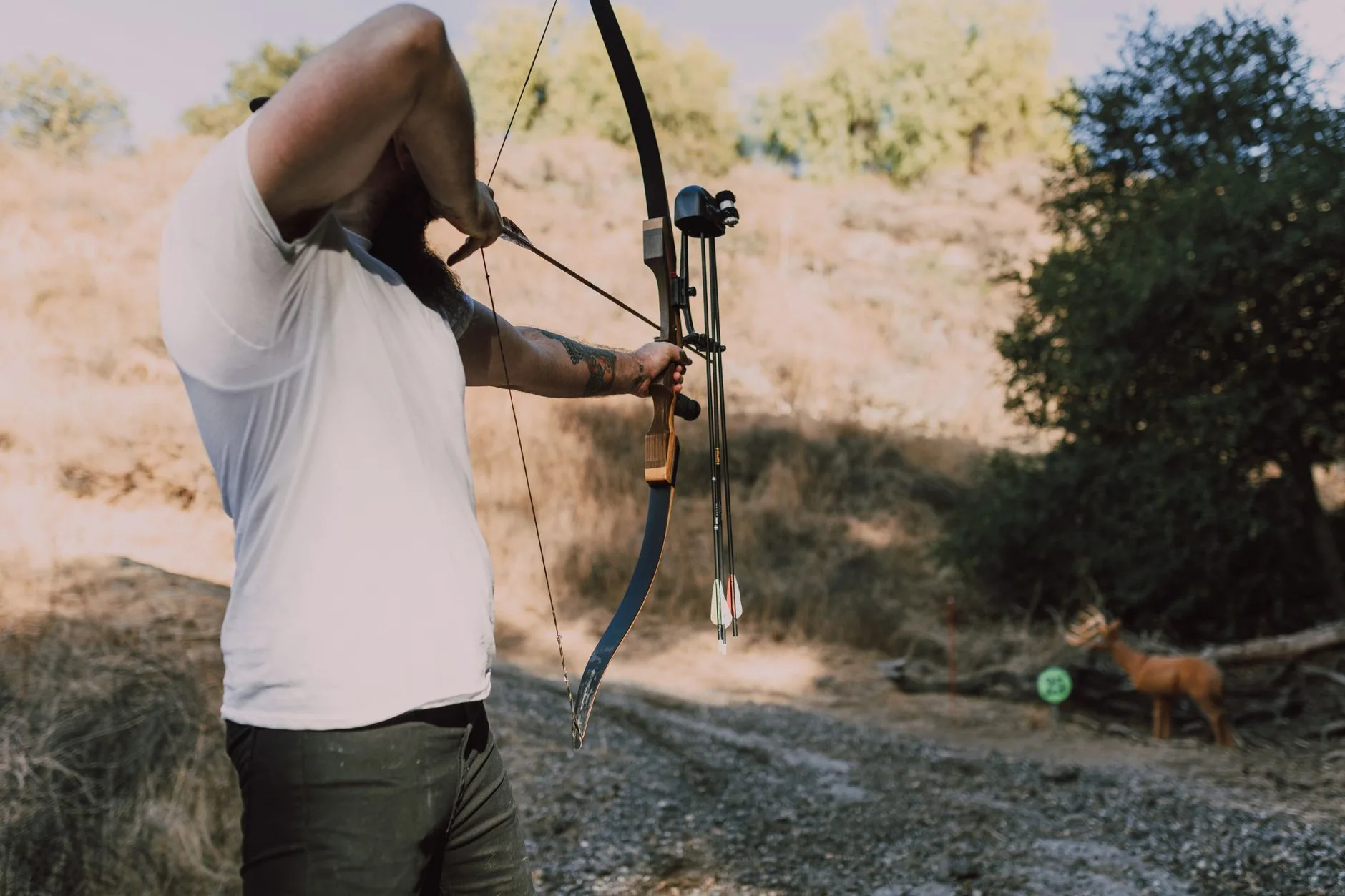
There are elk stories, and then there are elk stories — the kind that get passed around at every check station from Dillon to Cut Bank, that light up camp conversations well into rifle season, that remind every archer who has ever drawn back at a bugling bull why they do this in the first place. Reports are circulating about a hunter who may have taken a potential world record archery elk from Montana’s Belt Mountains, a bull of a caliber that most serious bowhunters never even glimpse in a lifetime of seasons. Editor’s note: Key details including the hunter’s name, harvest date, and official Pope and Young score have not yet been confirmed by a named source, news outlet, or official record submission. This article focuses on the Belt Mountains as elk habitat and what such a claim — if verified — would mean for Montana’s hunting landscape. Readers should treat the central claim as unconfirmed rumor until official sourcing is in place.
The Belt Mountains: Overlooked Elk Country
The Belt Mountains run roughly east to west through Cascade, Judith Basin, and Meagher counties, forming a rugged spine between the Missouri River breaks to the north and the Musselshell River drainage to the south. This is not the glamour country of the Bob Marshall Wilderness or the Beartooths. There are no river outfitters lining the banks, no well-worn trail systems with interpretive signs. The Belts are working country — timber, grass, mule deer, whitetails, turkeys, and quality elk that rarely make headlines.
Montana, particularly in its less-pressured central ranges, produces the combination of genetics, age, and habitat necessary for trophy-class bulls. Whether or not the current rumor proves accurate, the Belt Mountains represent the kind of under-recognized elk habitat that consistently rewards hunters willing to do their homework.
What the Belt Mountains Offer Elk Hunters
Access to the Belt Mountains for public hunters is real, but it requires homework. The Lewis and Clark National Forest administers significant acreage in this range, and there are legitimate walk-in and public land opportunities scattered through the hills. The checkerboard nature of land ownership across central Montana means that routing your access correctly — and confirming current boundaries with the Forest Service or through the Montana FWP public land mapping tools — is not optional. It is essential. Getting this wrong can mean trespassing, and in a range where landowner relationships with public land hunters are already sensitive, that matters.
The elk habitat here tends toward mixed conifer and open park country, with ponderosa pine on the drier south-facing slopes and Douglas fir in the darker drainages. Water sources are less abundant than in the wetter ranges to the west, which means elk concentrate around what water exists — a fact that rewards scouts willing to put in the miles before season opens.
Archery Elk in Montana: Timing, Pressure, and Opportunity
Montana’s archery elk season typically opens in early September and runs into October, covering the full rut in most districts. Confirm current season dates and any district-specific regulations directly with Montana FWP before making plans — seasons and boundaries do change, and no article should substitute for current official information.
The rut in the Belt Mountains tends to peak on the same schedule as the rest of Montana’s elk country — bulls are vocal, and a well-placed call in the right drainage during the first two weeks of September can produce encounters that would seem like fiction if you described them to someone who hadn’t been there. The key is getting into country where bulls have had room to age. That means pressure matters. Heavily roaded areas that absorb the bulk of rifle hunters in late October and November simply do not produce the same class of bull as the drainages that require a four-mile walk just to reach the first legal timber.
The Pope and Young Club serves as the governing body for archery big game records in North America, and their scoring system for elk — measuring main beam length, tine length, mass, and symmetry — sets an extraordinarily high bar. A typical mature 6×6 bull taken by an archer in Montana is a trophy by any honest measure. That broader scoring tradition shaped the culture around serious archery elk hunting — the emphasis on fair chase, on public land access, on the ethics of hunting with stick and string in close country.
What the Belt Mountains Say About Montana Elk Hunting
Montana has long held a central place in the North American elk hunting conversation — but the marquee attention has historically gone to the Bob Marshall, the Bitterroot, and the Beartooths. The overlooked, under-glamorized ranges of central Montana are producing elk of the highest caliber, and the public land opportunity in places like the Belts deserves recognition on its own merits — world record rumors or not.
Whether the current reports prove accurate or fade into hunting lore, the Belt Mountains remain what they have always been: serious elk country for hunters willing to work for it.
Montana's outdoor week, in your inbox at 7am Friday.